
Heat
Ready
Heatwaves kill more Australians than any other natural hazard. They strain the power grid, fill hospitals and raise bushfire risk, and hot nights stop the body from recovering. Preparation saves lives.
Never leave children or pets in a parked car. Cars become deadly within minutes. Heatstroke is a medical emergency: call Triple Zero (000).
Heatwave Prep in Minutes
A quick walkthrough of keeping your home, family and pets safe through extreme heat.
Heatwave Levels
A heatwave is three or more days of unusually high maximum and minimum temperatures for your area. The Bureau of Meteorology rates them in three levels.
Humidity makes heat more dangerous, because sweat can't evaporate to cool you down.
Prepare Your Home
Get this done before summer. A cooler house and a plan for blackouts make the hottest days far easier to get through.
Block the Heat
- Close blinds & curtains on hot days
- Run air-con or fans early in the day
- Avoid using the oven or stove
- Seal gaps around windows & doors
- Add shade cloth or external awnings
Plan for Outages
Heatwaves often cause power cuts.
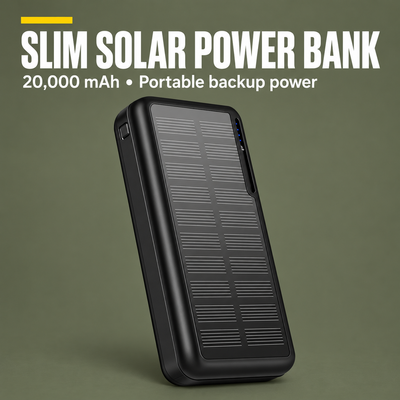
- Charge power banks & devices
- Freeze ice blocks & water bottles
- Keep wet towels in the fridge
- Have battery fans & lights ready
Stay Home in the Heat
- Food & medicines, so you don't need to go out at peak heat
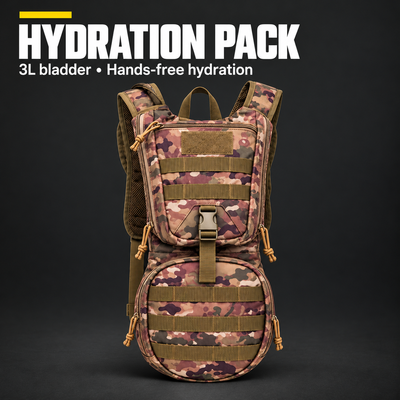
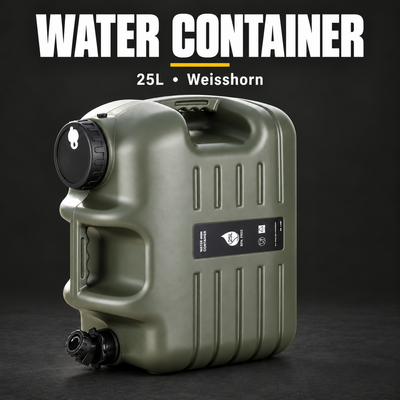
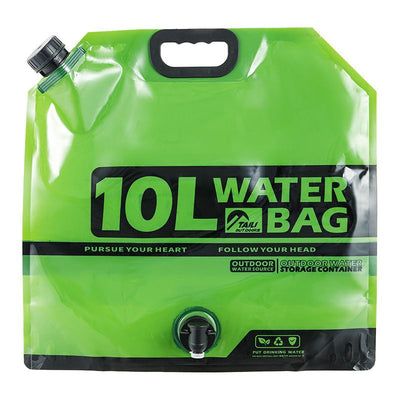
- Extra water for drinking & cooling
- Know your council's cool spaces, like libraries & shopping centres
Know the Warning Signs
Heat illness can escalate quickly. Know what to look for in yourself and the people around you.
Cool Down Now
- Heavy sweating & pale skin
- Dizziness, weakness or fainting
- Headache, nausea or vomiting
- Muscle cramps
Move somewhere cool, sip water, loosen clothing and apply cool, wet cloths. Get medical help if it gets worse.
Call 000
- Very high body temperature
- Confusion, slurred speech or odd behaviour
- Hot skin, sweating or dry
- Collapse, seizures or unconsciousness
This is life-threatening. Call Triple Zero, then cool the person with water, wet cloths and shade while you wait.
The PrepPro Heatwave Kit
A realistic, field-tested list for getting through extreme heat, with or without power.
Beat the Heat
- Battery-powered fan
- Spray bottle for misting
- Ice packs & frozen water bottles
- Light, loose clothing
- Thermometer for indoor temps
Stay Connected
- Power banks & spare batteries
- Battery AM/FM radio
- Torch or headlamp
- 3–5 days of water
- Electrolyte sachets
- First-aid kit & medications
Keep Them Cool
- Plenty of water & shade
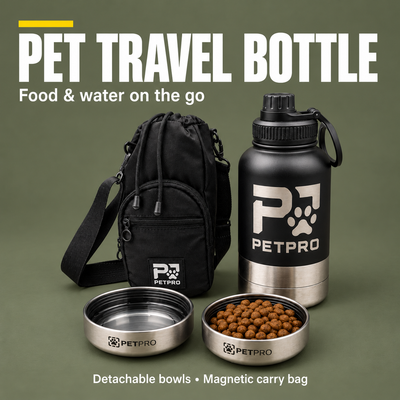
- Several water bowls
- Cooling mats or damp towels
- Travel carrier
When the Heat Peaks
Stay ahead of it. Hydrate before you're thirsty and check on the people most at risk.
Check on vulnerable people
Call or visit older family, neighbours and anyone living alone, at least once a day.
Before temps peak
- Drink water early & often
- Close blinds and windows by day, open them at night if it's cooler
- Move bedding to the coolest room
- Fill water bottles & containers
- Give pets shade & multiple water bowls
- If you must go out, go early morning or after sunset
If the power goes out
- Cool down with wet towels, misting & ice
- Avoid physical effort
- Head to an air-conditioned public space if it's safe to travel
- Keep monitoring BOM warnings on a battery radio or charged phone
See the Blackout Prep guide for food safety & generator tips.
After a Heatwave
The effects of heat can linger for days after the temperature drops.
Look After People
- Watch for late signs of heat illness
- Keep drinking water
- Check on older neighbours & pets
Check & Improve
- Inspect for heat damage to electrics, roofing & vehicles
- Restock water, ice packs & batteries
- Update your plan with what worked
Get Ready Before Summer
Don't wait for the first 40-degree day. Sort your off-grid power and emergency kit now.
More From the Survival Hub
This guide provides general preparedness information and is not medical advice. Always follow official warnings from the Bureau of Meteorology and your state health department. If you're worried about your health or someone else's, contact your doctor or call Healthdirect on 1800 022 222. In a life-threatening emergency, call Triple Zero (000).