Bushfire Prep Basics
Practical steps to prepare your home, gear, and family for bushfire conditions in Australia.
Bushfires can escalate in minutes — especially in hot, dry, and windy conditions. Whether you live in regional Australia, on the urban fringe, or near bushland, early preparation dramatically increases safety and reduces panic when conditions change quickly.
Practical steps to prepare your home, gear, and family for bushfire conditions in Australia.
Bushfires can escalate in minutes — especially in hot, dry, and windy conditions. Whether you live in regional Australia, on the urban fringe, or near bushland, early preparation dramatically increases safety and reduces panic when conditions change quickly.
This guide gives you clear, real‑world steps for preparing before fire season, plus last‑minute actions to take when fire danger rises.
This is practical survival readiness designed for everyday Australians.
🟩 1. Know Your Local Bushfire Risk
Bushfire risk varies based on:
- vegetation around your home
- slope and terrain
- average summer temperatures
- wind patterns
- local fuel loads
Check your risk here:
- NSW RFS — https://www.rfs.nsw.gov.au
- VIC CFA — https://www.cfa.vic.gov.au
- QLD Rural Fire Service — https://www.ruralfire.qld.gov.au
- SA CFS — https://www.cfs.sa.gov.au
- WA DFES — https://www.dfes.wa.gov.au
- TAS Fire Service — https://www.fire.tas.gov.au
🟧 2. Prepare Your Property (Before Fire Season)
Simple, early actions make the biggest difference.
✔ Reduce fuel around your home
- Clear leaves, bark and debris from roofs and gutters
- Keep grass short and green
- Remove flammable items from verandas and decks
- Trim branches overhanging the home
- Move firewood and fuel stores away from buildings
✔ Strengthen your home
- Install metal fly screens
- Seal gaps where embers can enter
- Use fine steel mesh on vents
- Ensure hoses reach all around the home
✔ Create defensible space
- Maintain a cleared zone around the house
- Reduce vegetation density
- Keep paths and exits clear
For detailed guidance:
Australian Bushfire Building Standards (NCC BAL Ratings)
https://www.abcb.gov.au
🟥 3. Have an Evacuation (& Stay/Go) Plan
When bushfire conditions escalate, decision‑making becomes difficult. Plan now:
✔ Decide early whether you’ll leave or stay and defend
Leaving early is the safest option for most households.
✔ Identify your safe destinations
- towns
- evacuation centres
- friend/family
- coastal or clear areas
✔ Know your trigger points
Examples:
- Fire Danger Rating “Extreme”
- Smoke in the area
- Road closure alerts
- Fire within X km
✔ Pre‑plan travel routes
Have two routes in case one is blocked.
✔ Make an evacuation checklist
Include:
- important documents
- medications
- clothing
- pets
- chargers
- cash
- emergency kits
🟦 4. Gear & Equipment Checklist (PrepPro Version)
A realistic, survival‑focused list:
🔥 Fire Readiness Kit
- Portable fire extinguisher
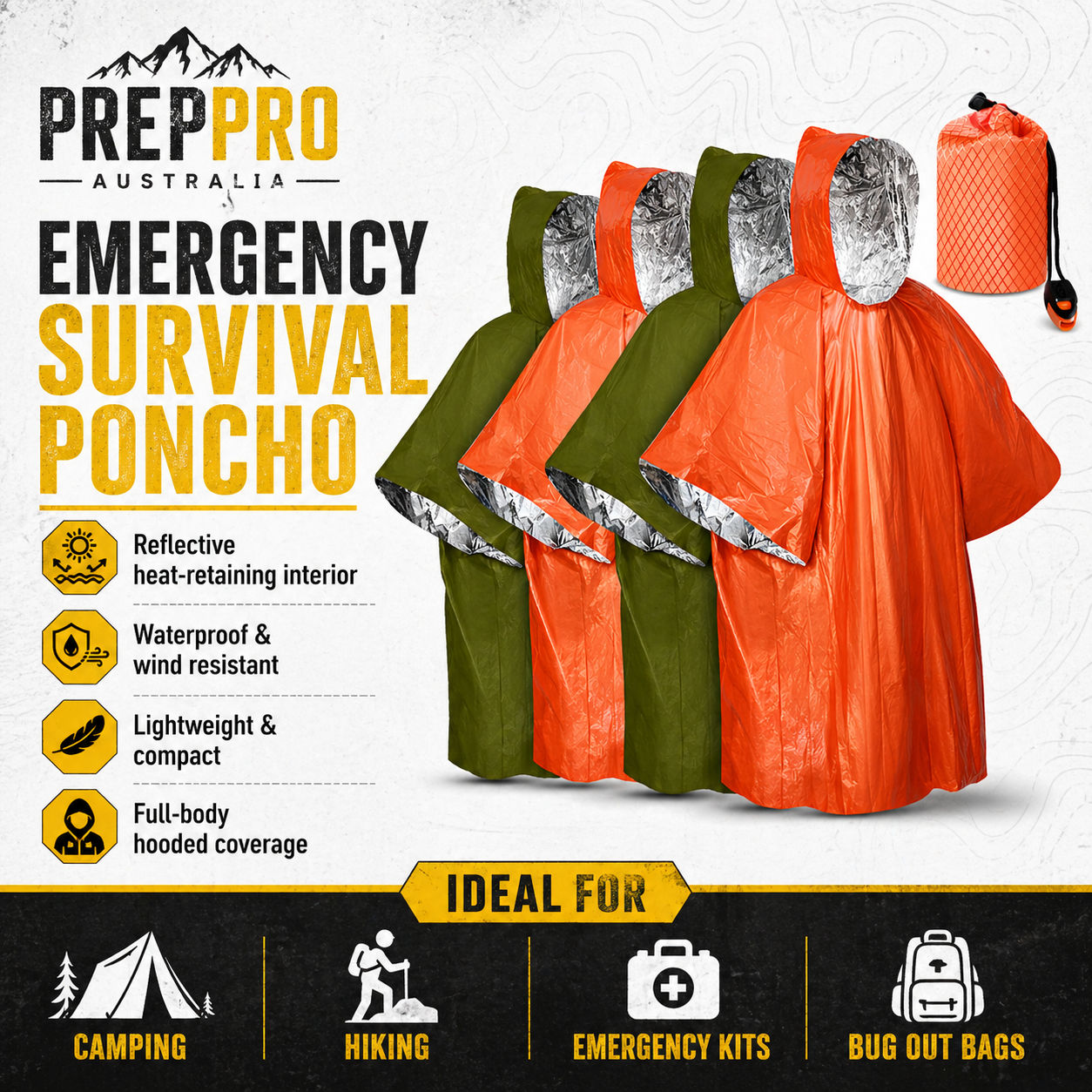
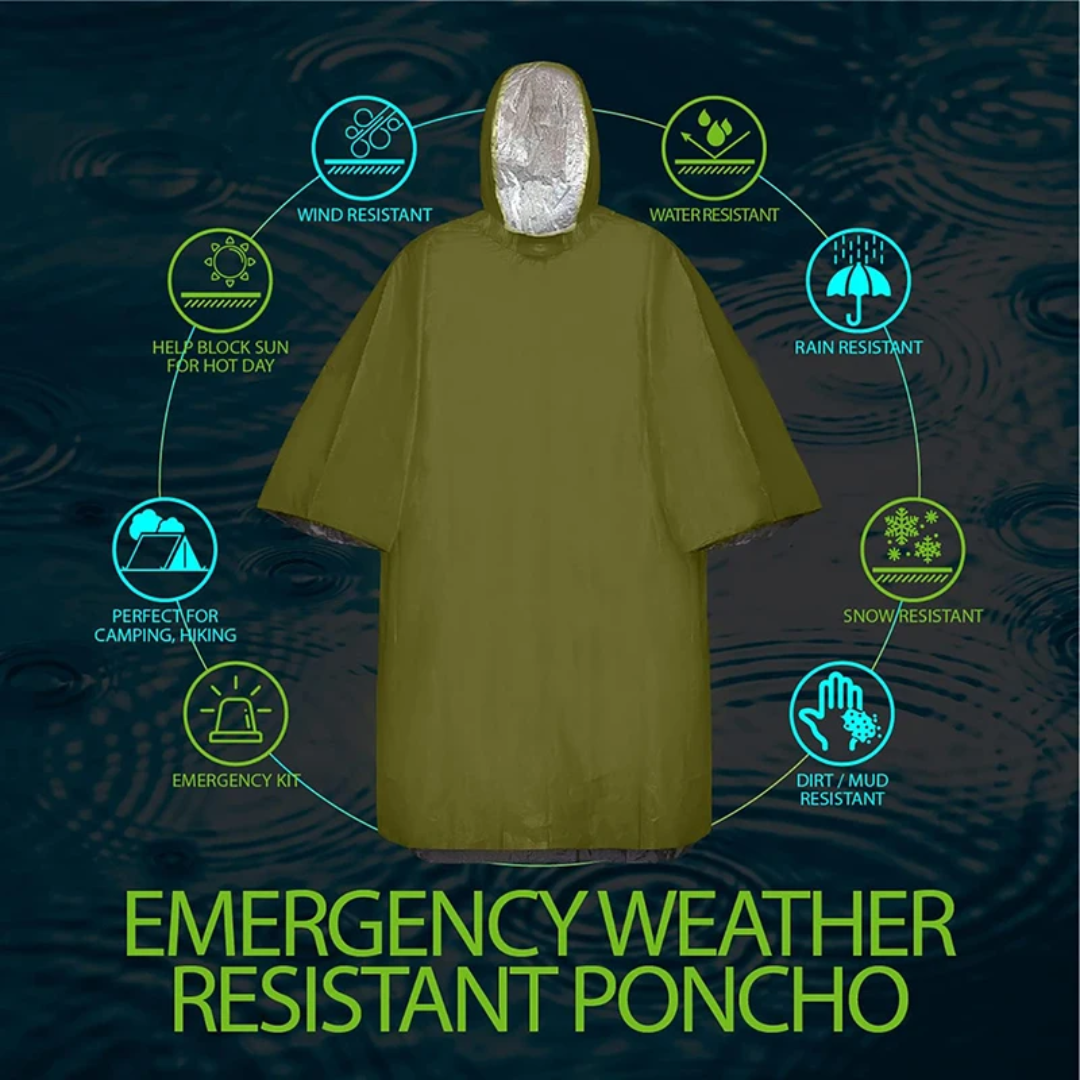
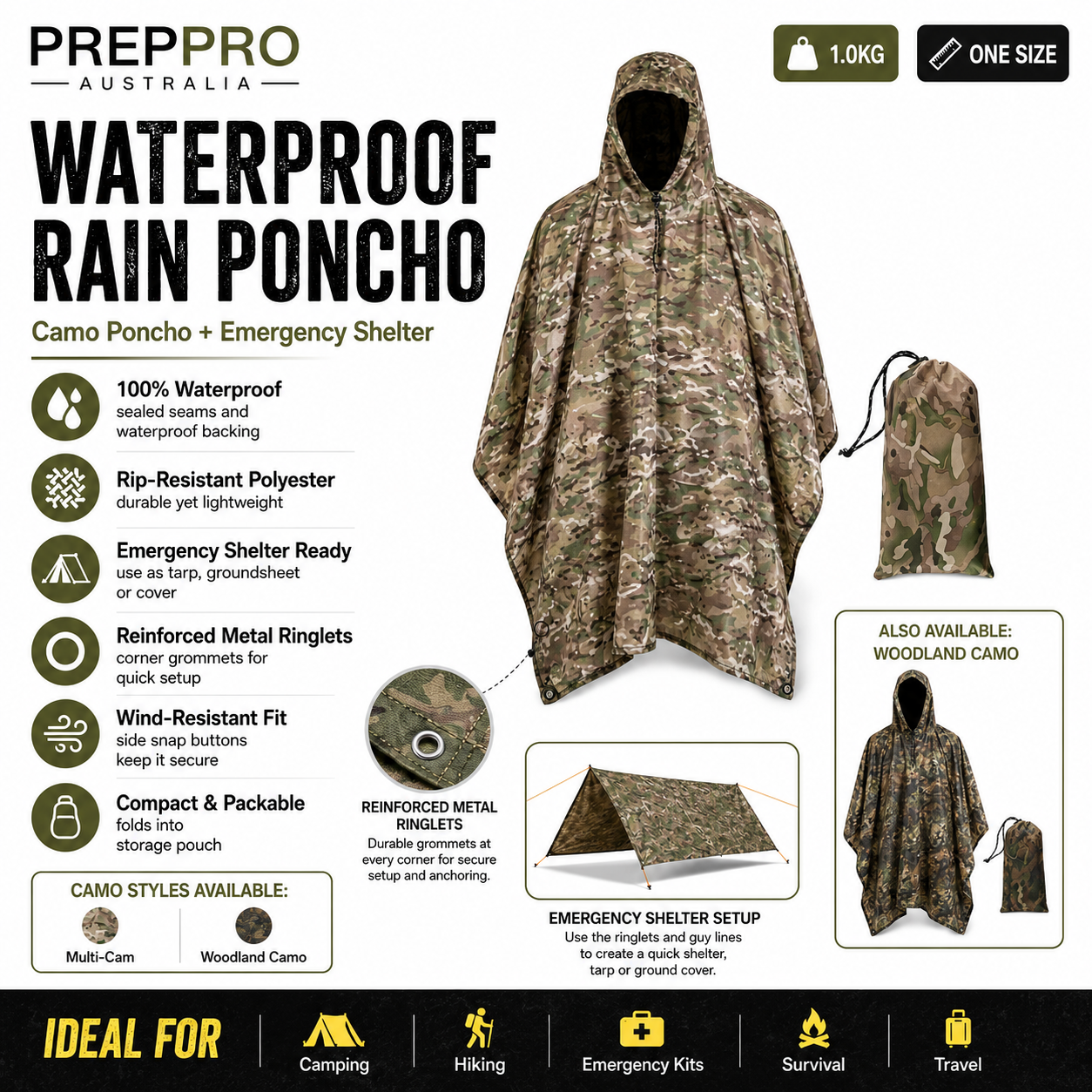
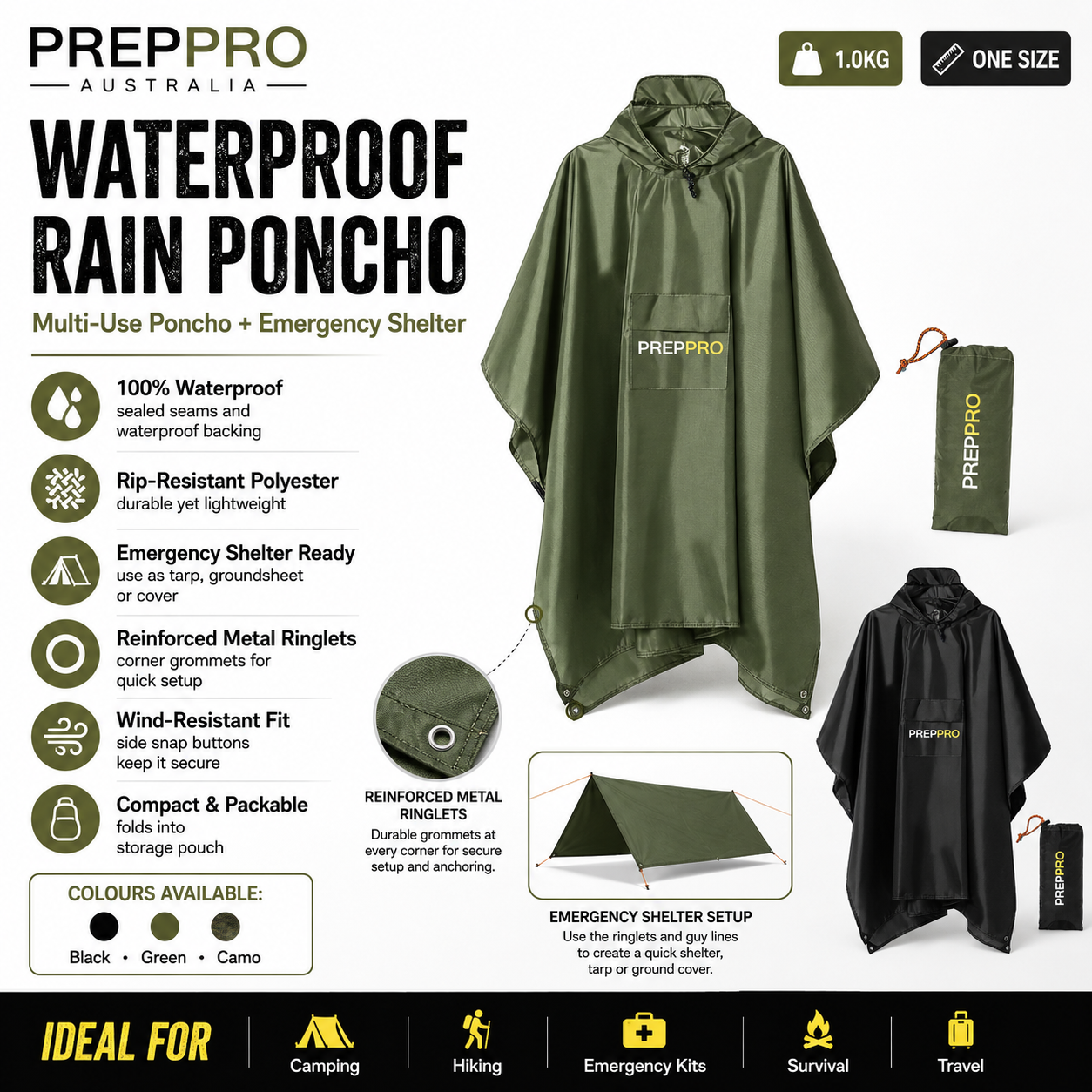
- Ember protection clothing
- P2 masks
- Leather gloves
- Goggles
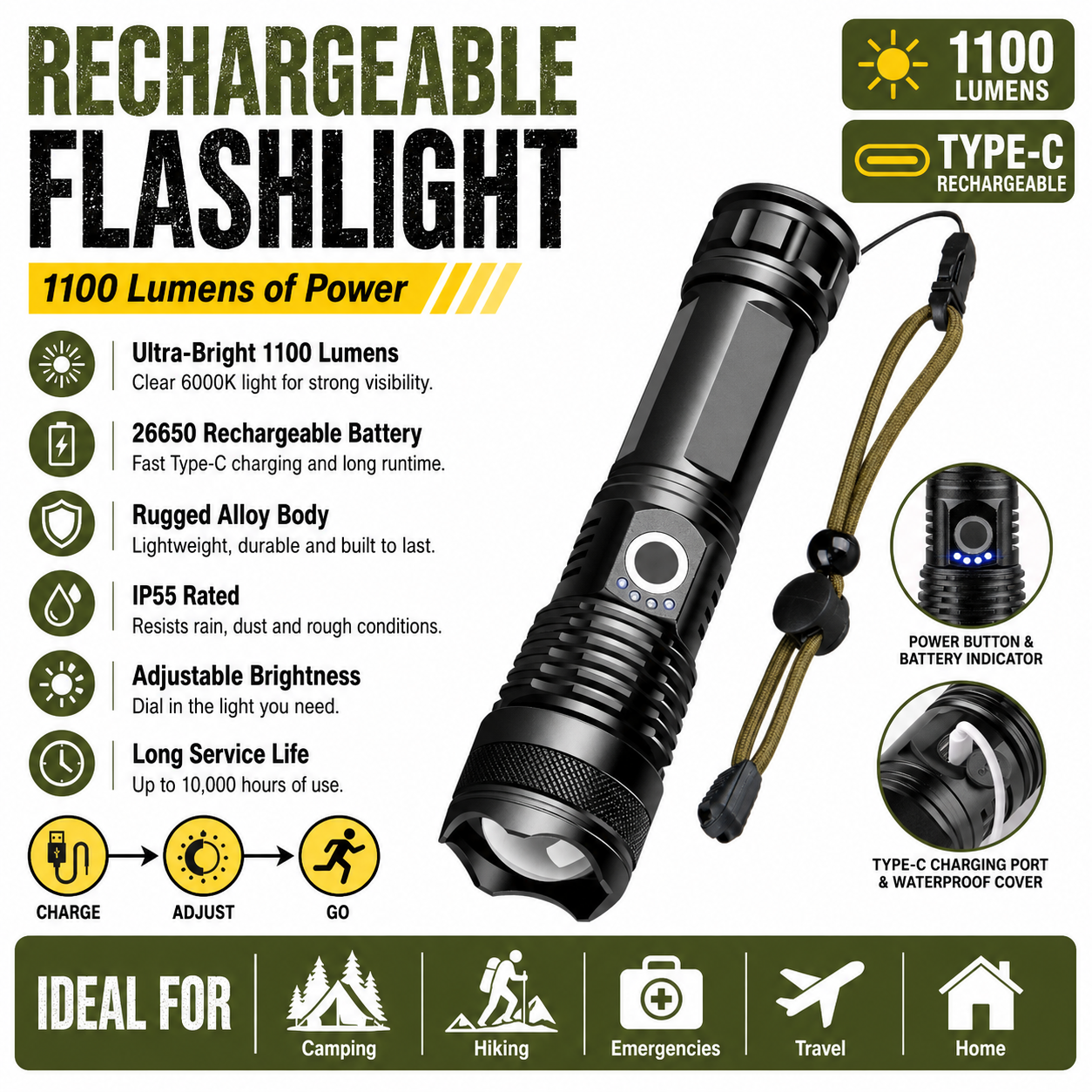
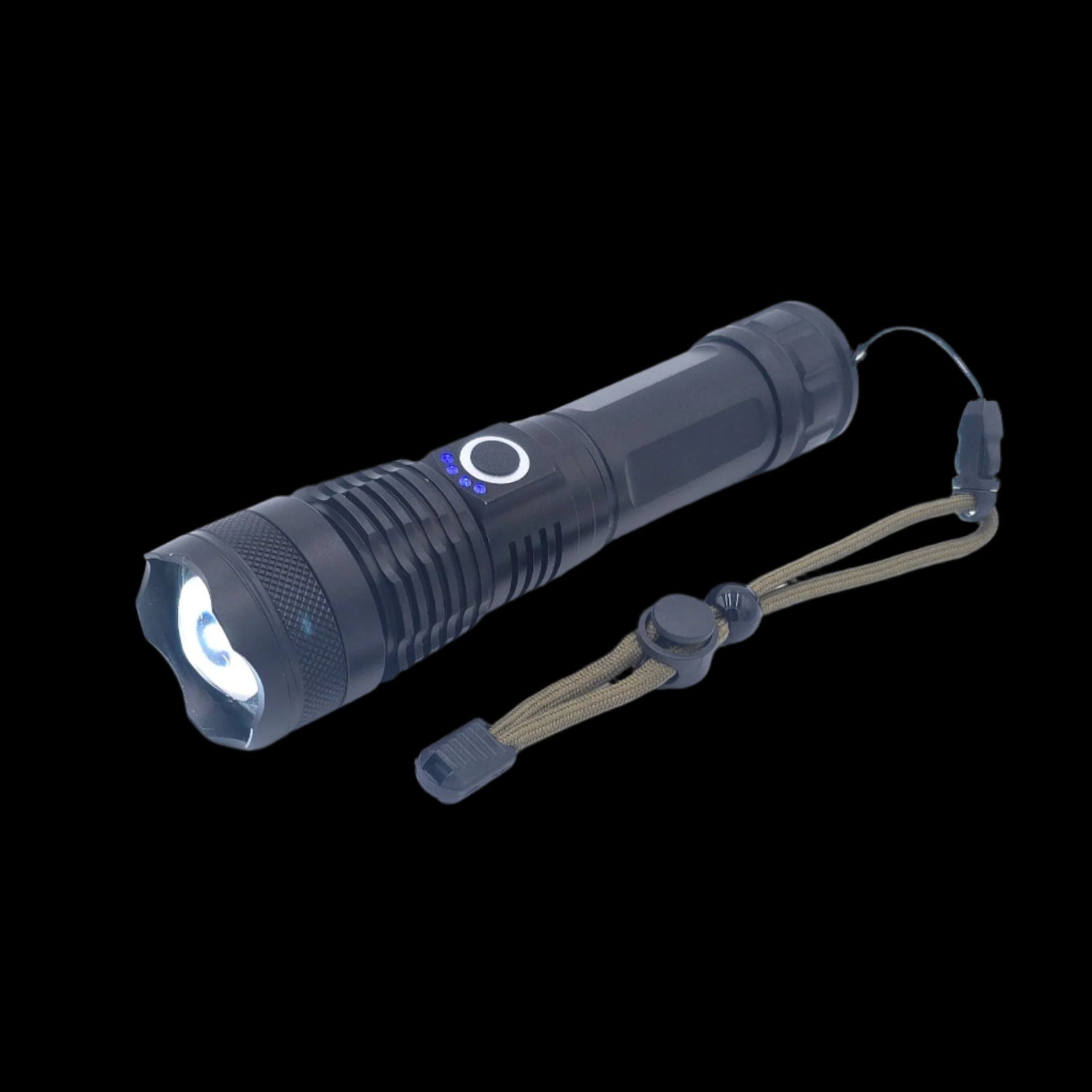
- Headlamp
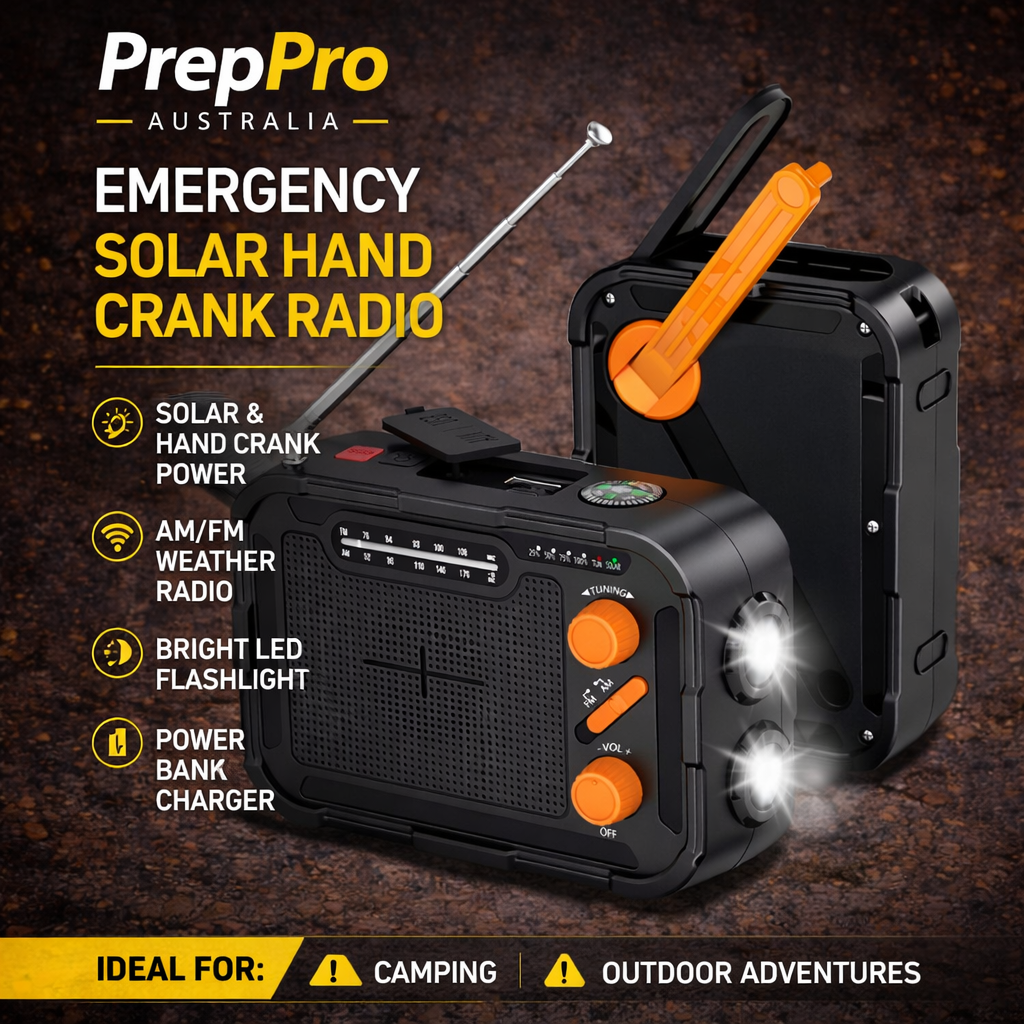
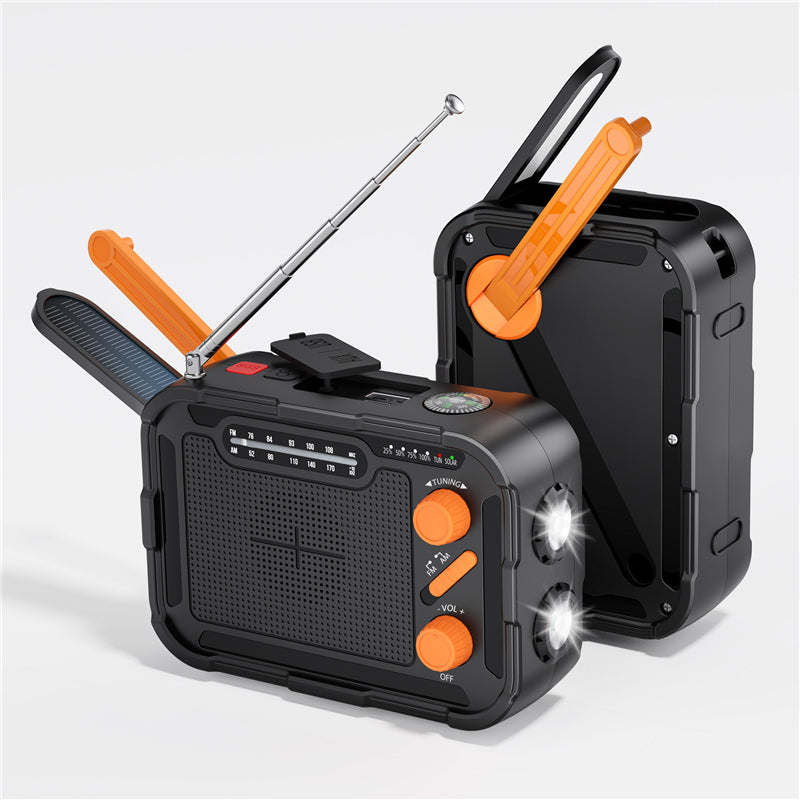
- Portable AM/FM radio
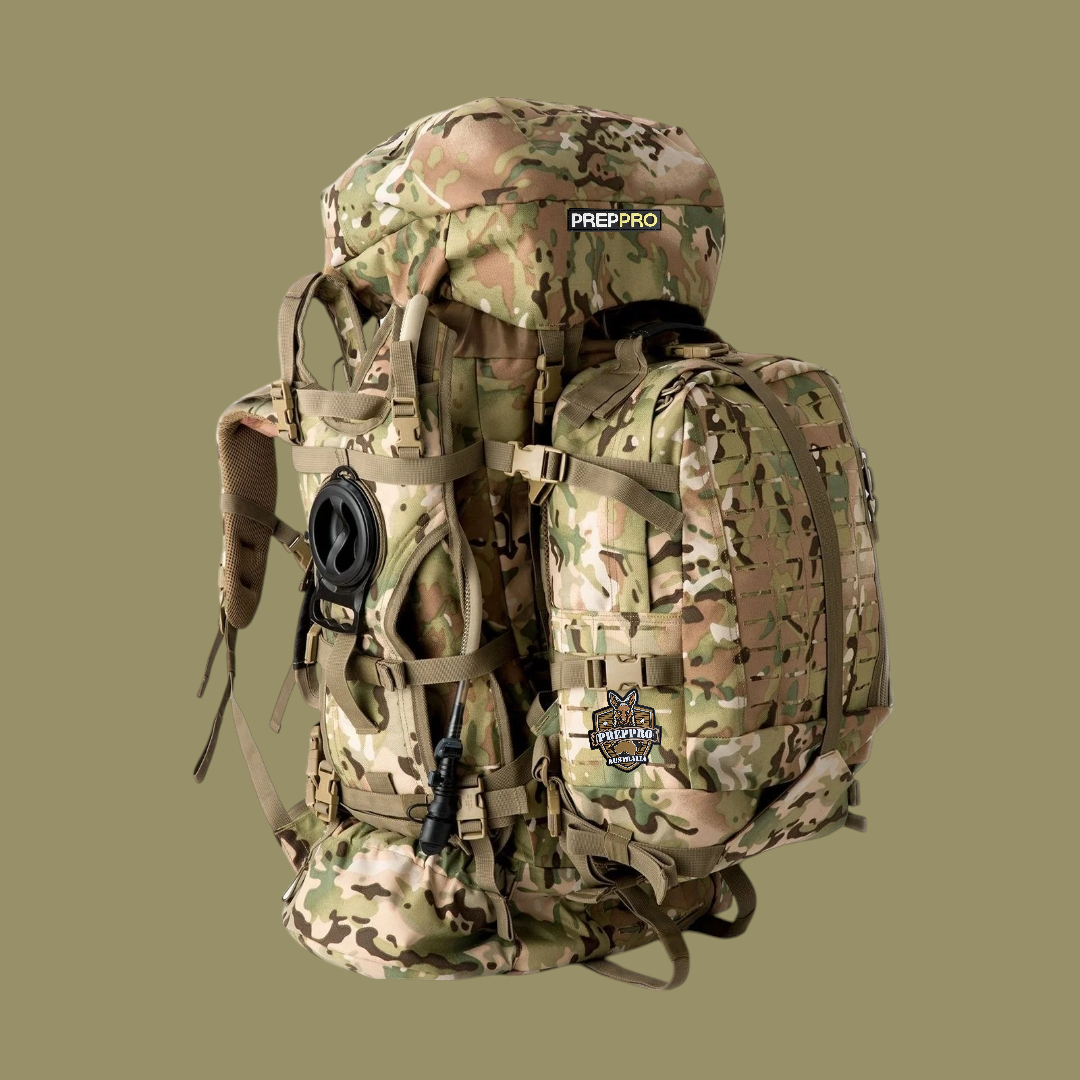
🎒 Go‑Bag Essentials
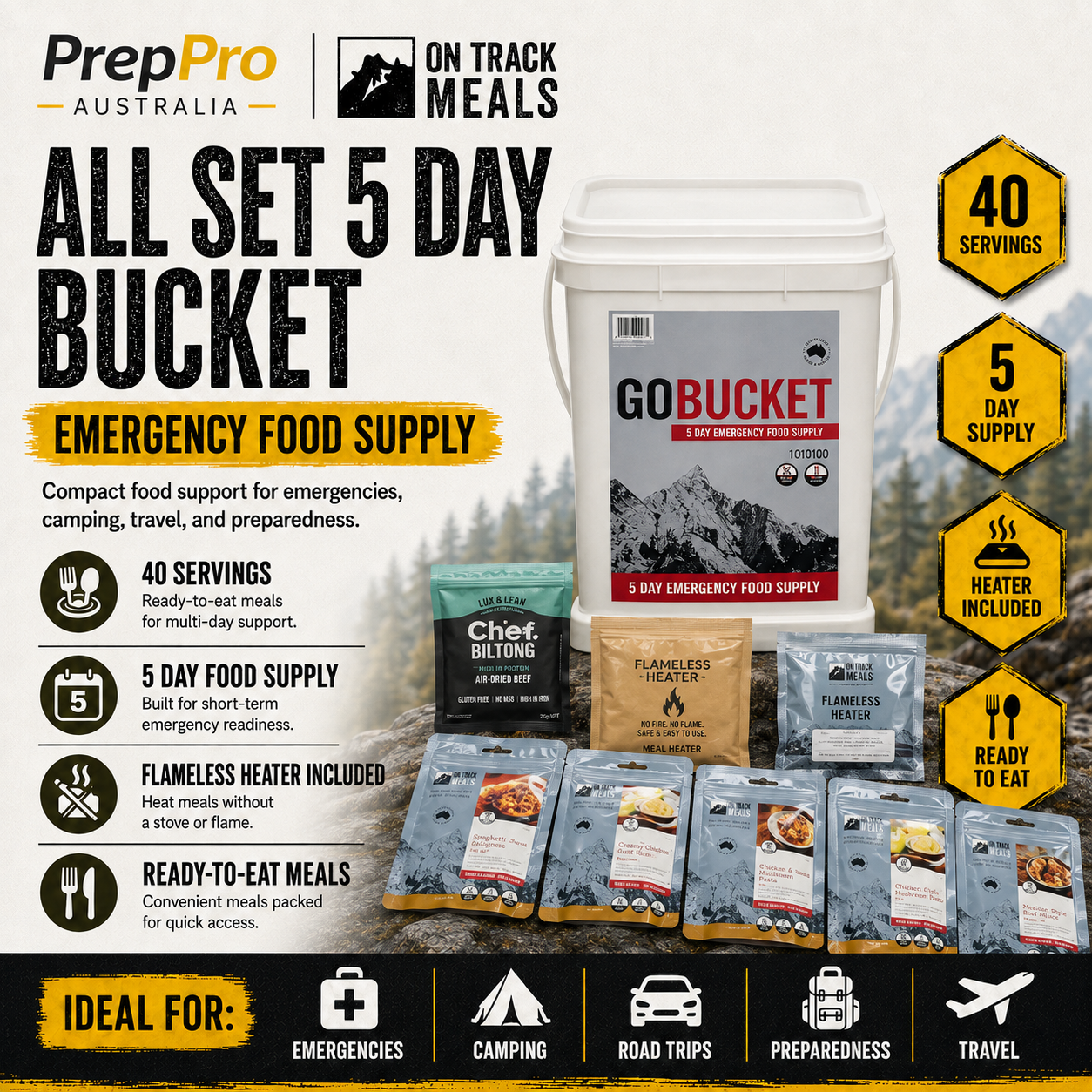
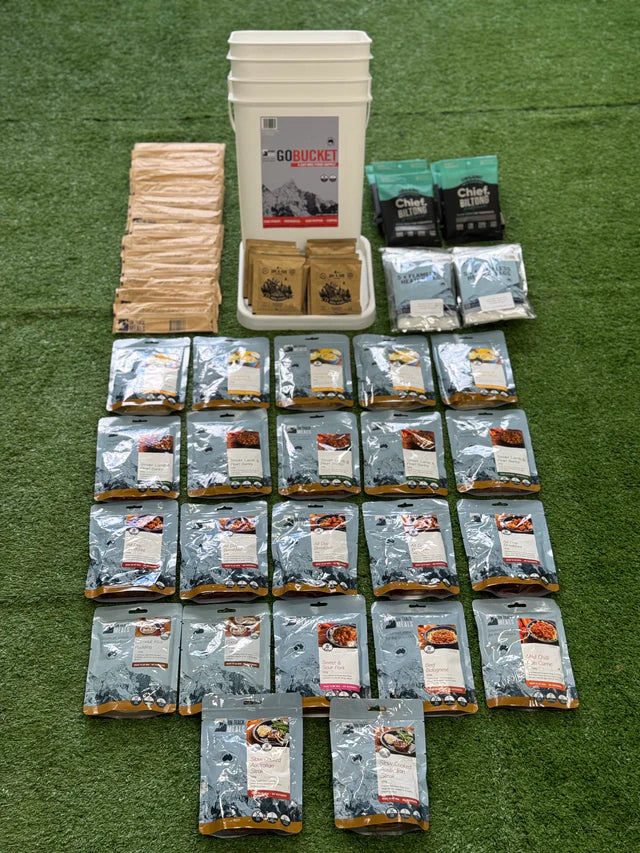
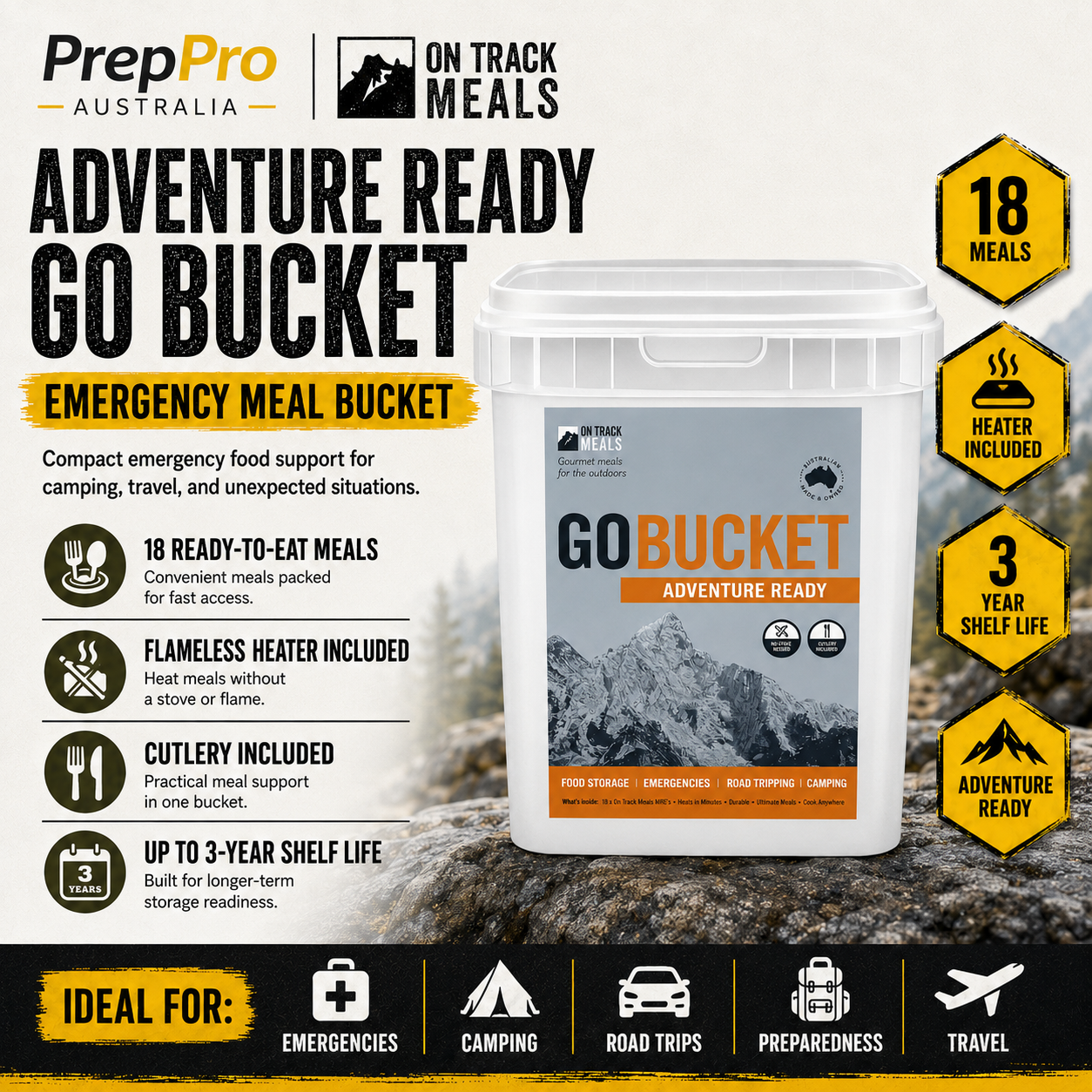
- 3 days of food & water
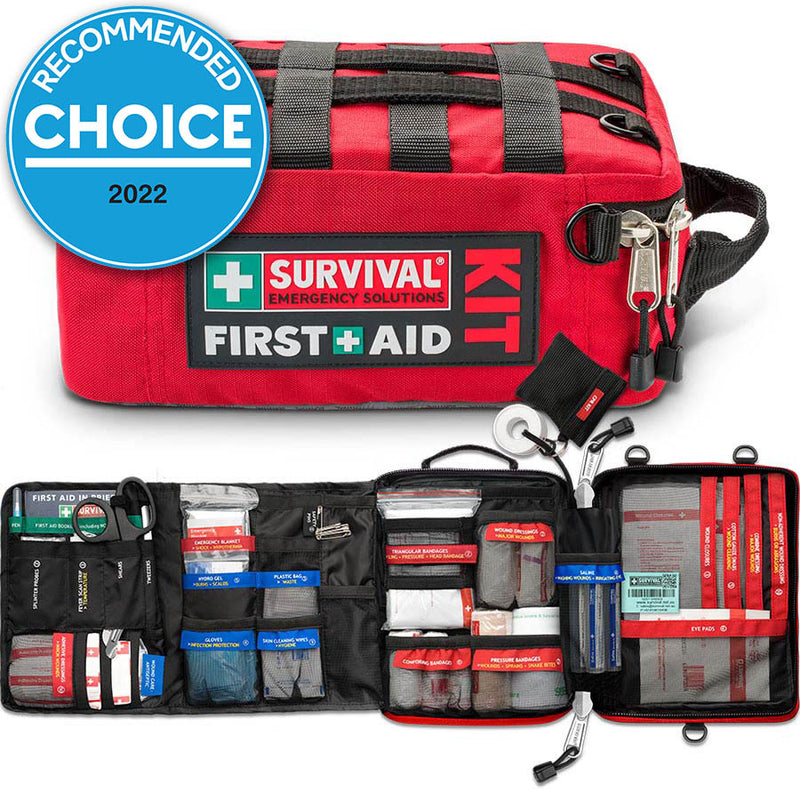
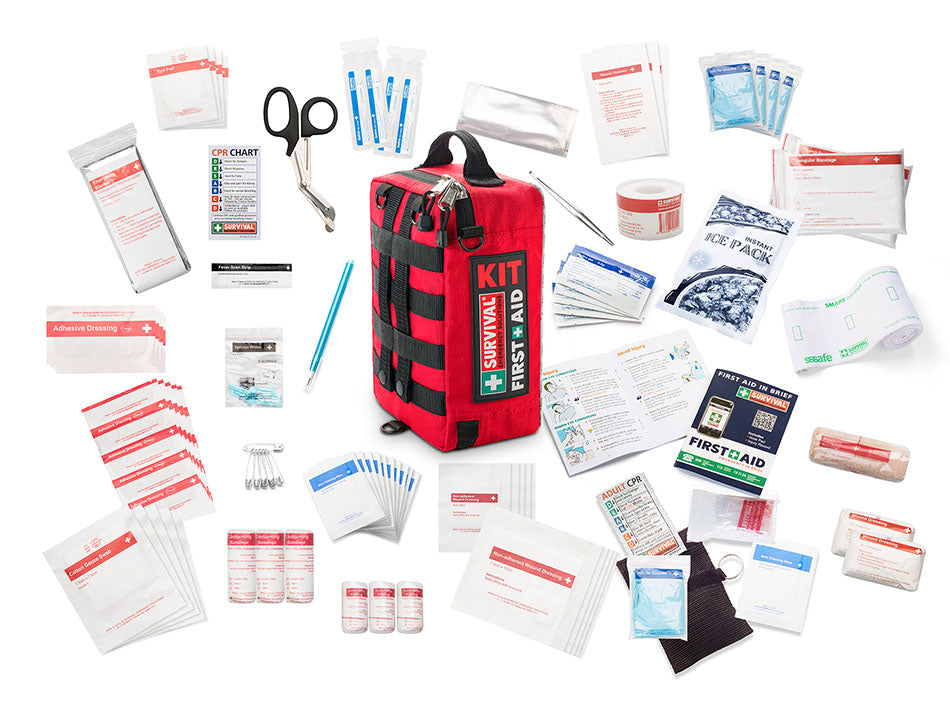
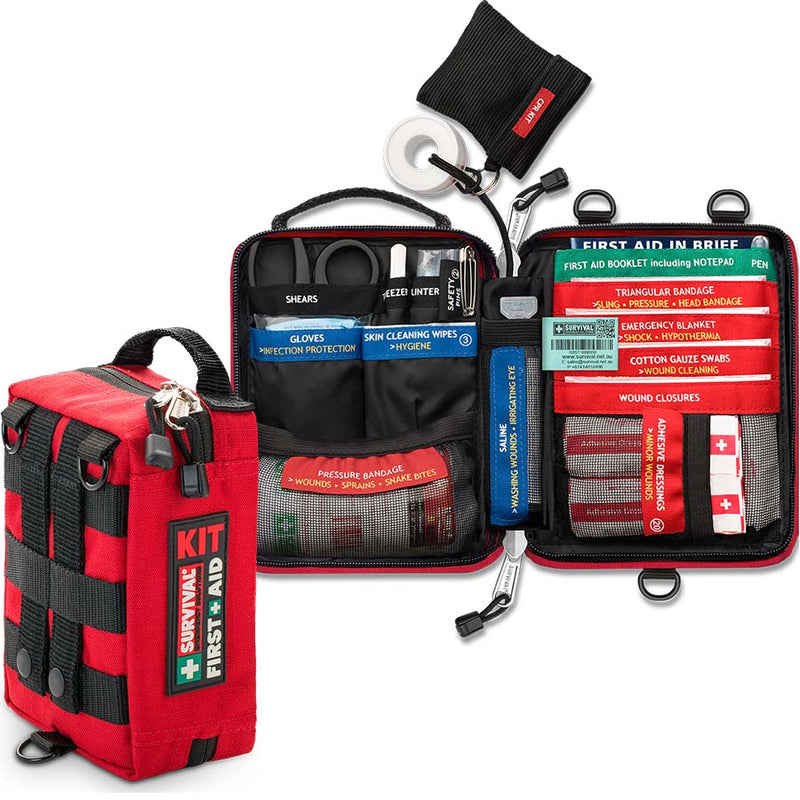
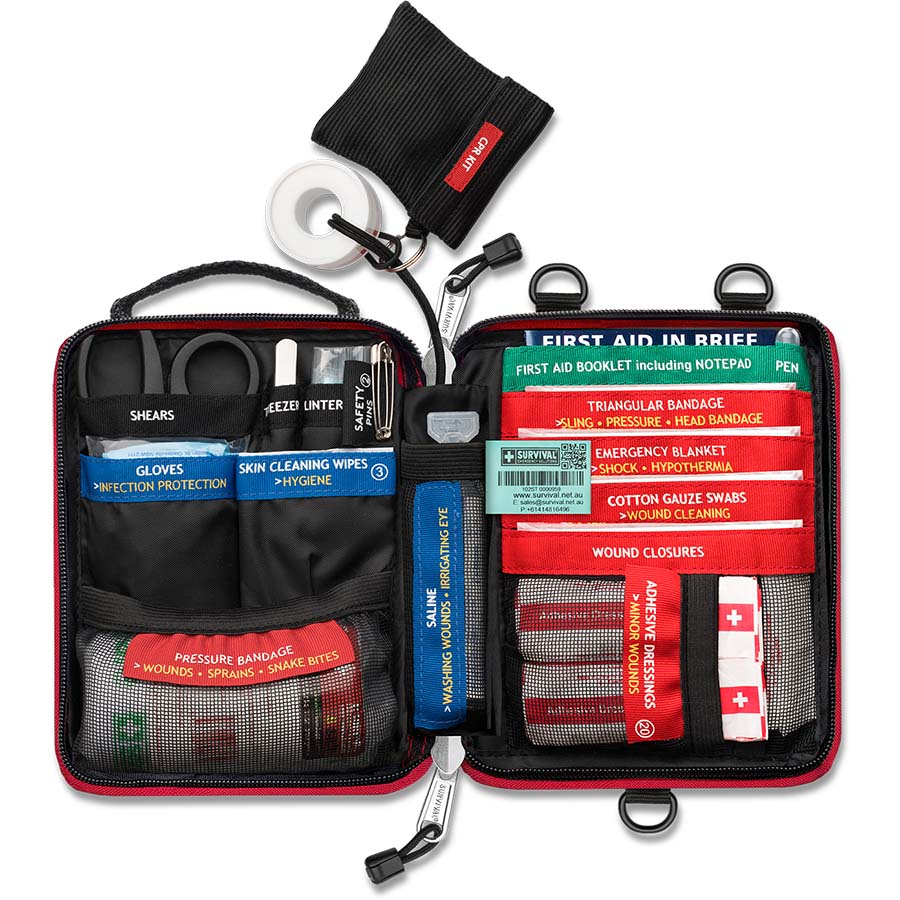
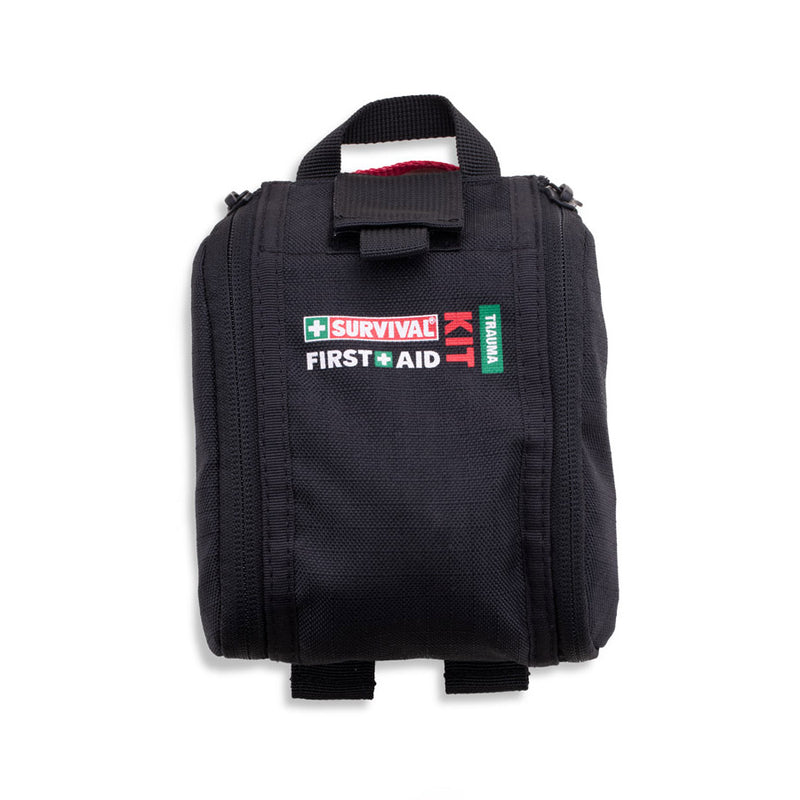
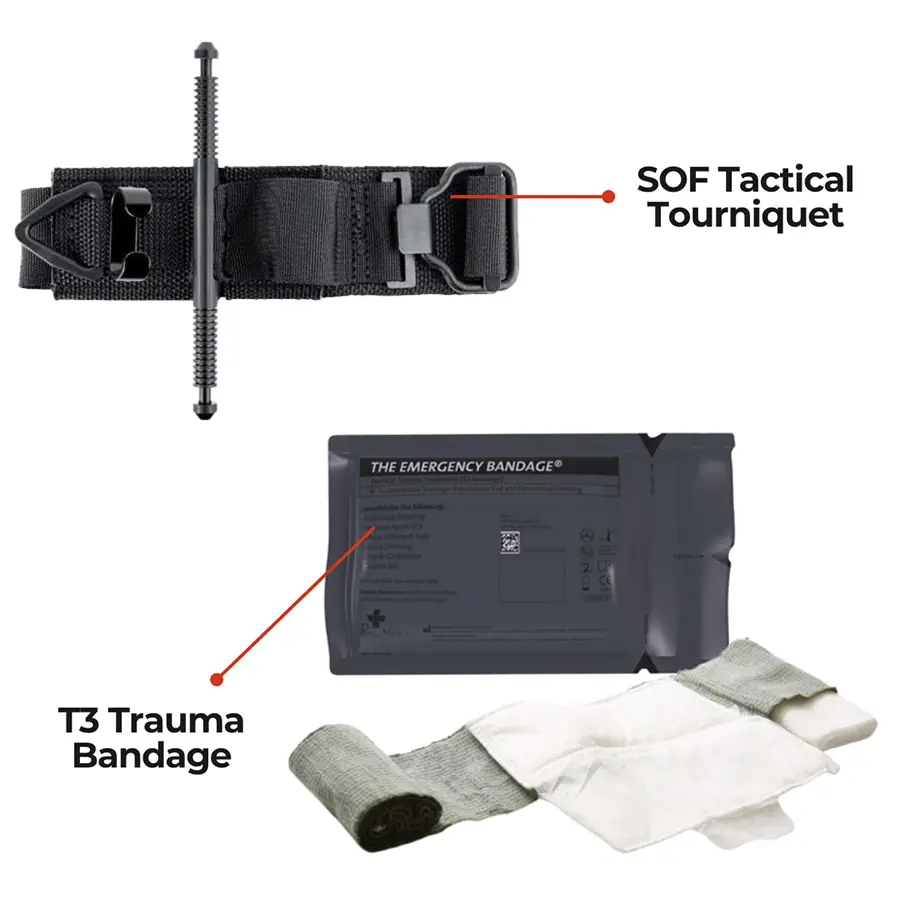
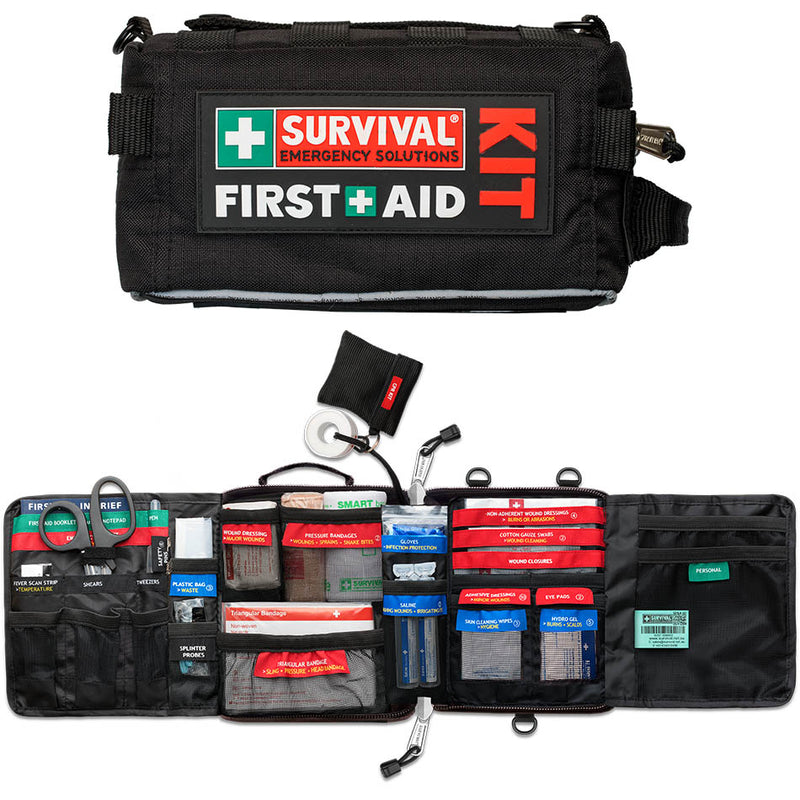
- First‑aid kit
- Medications
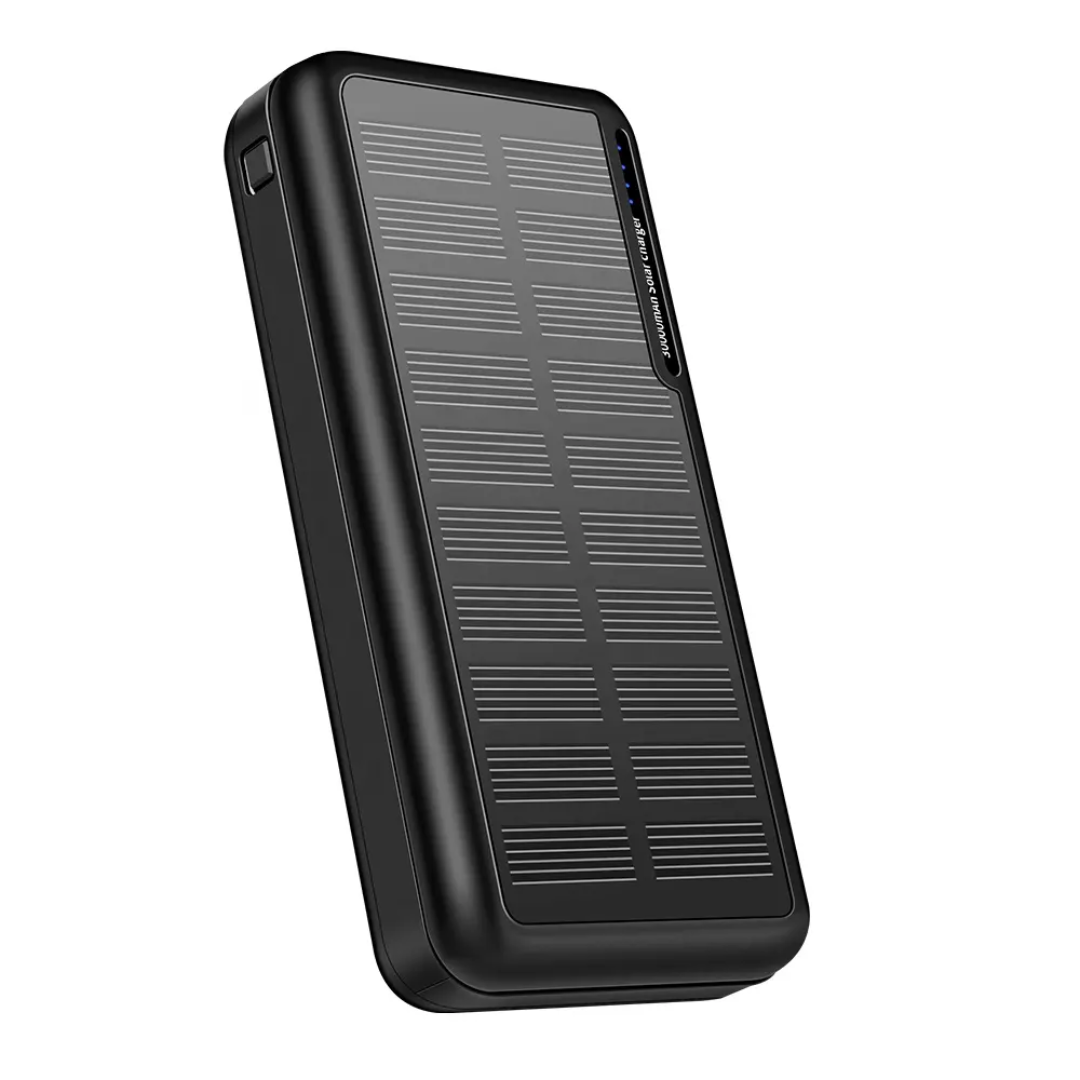
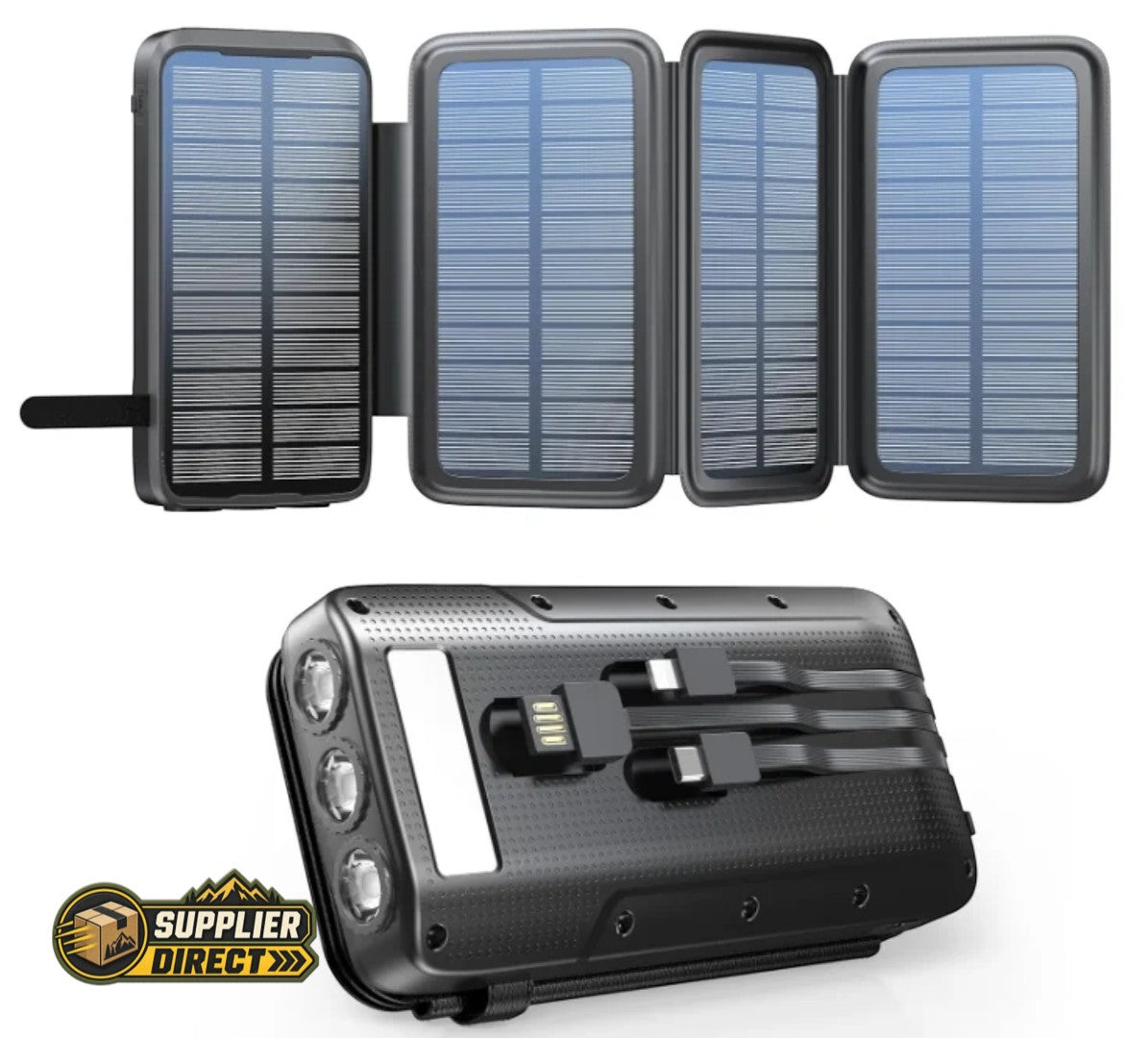
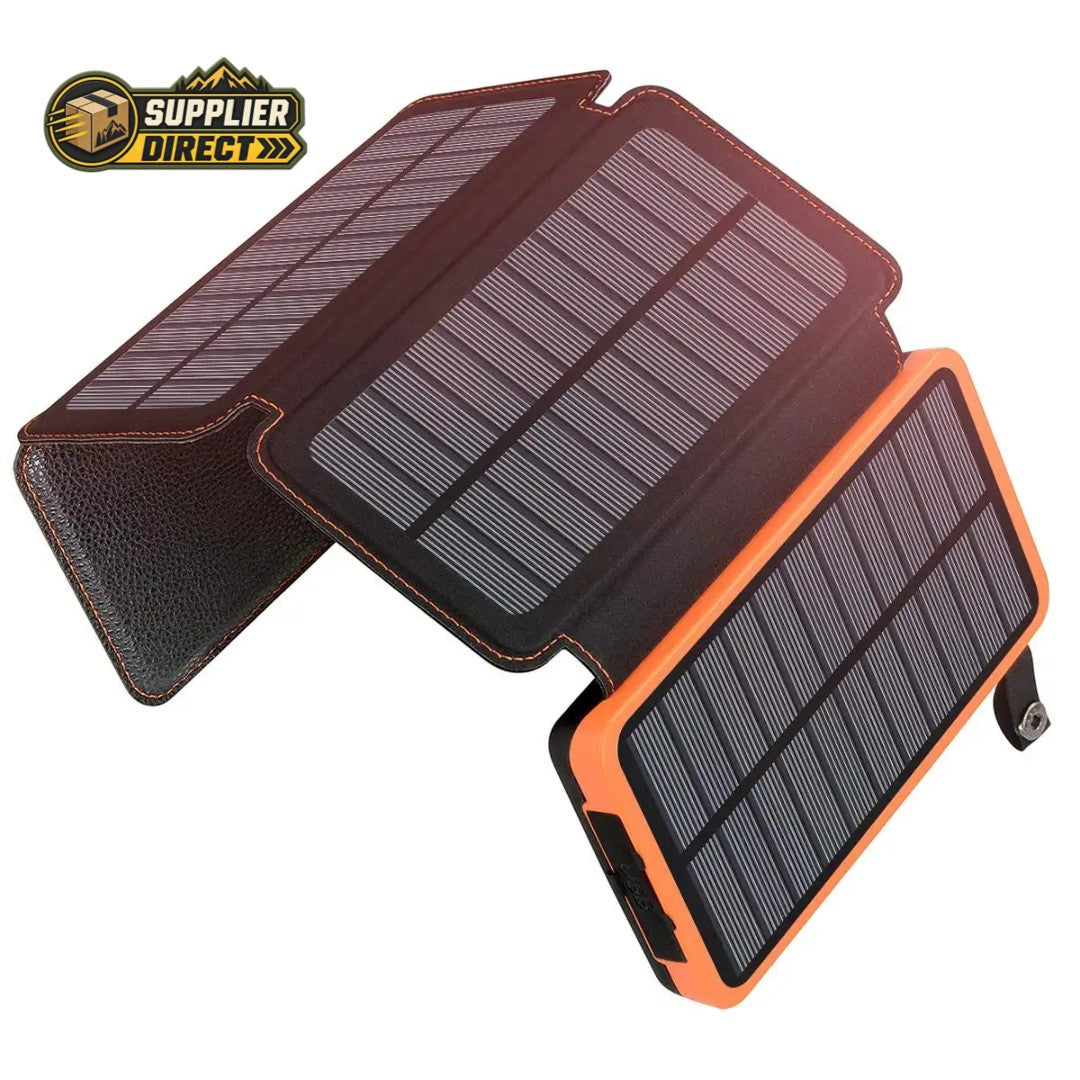
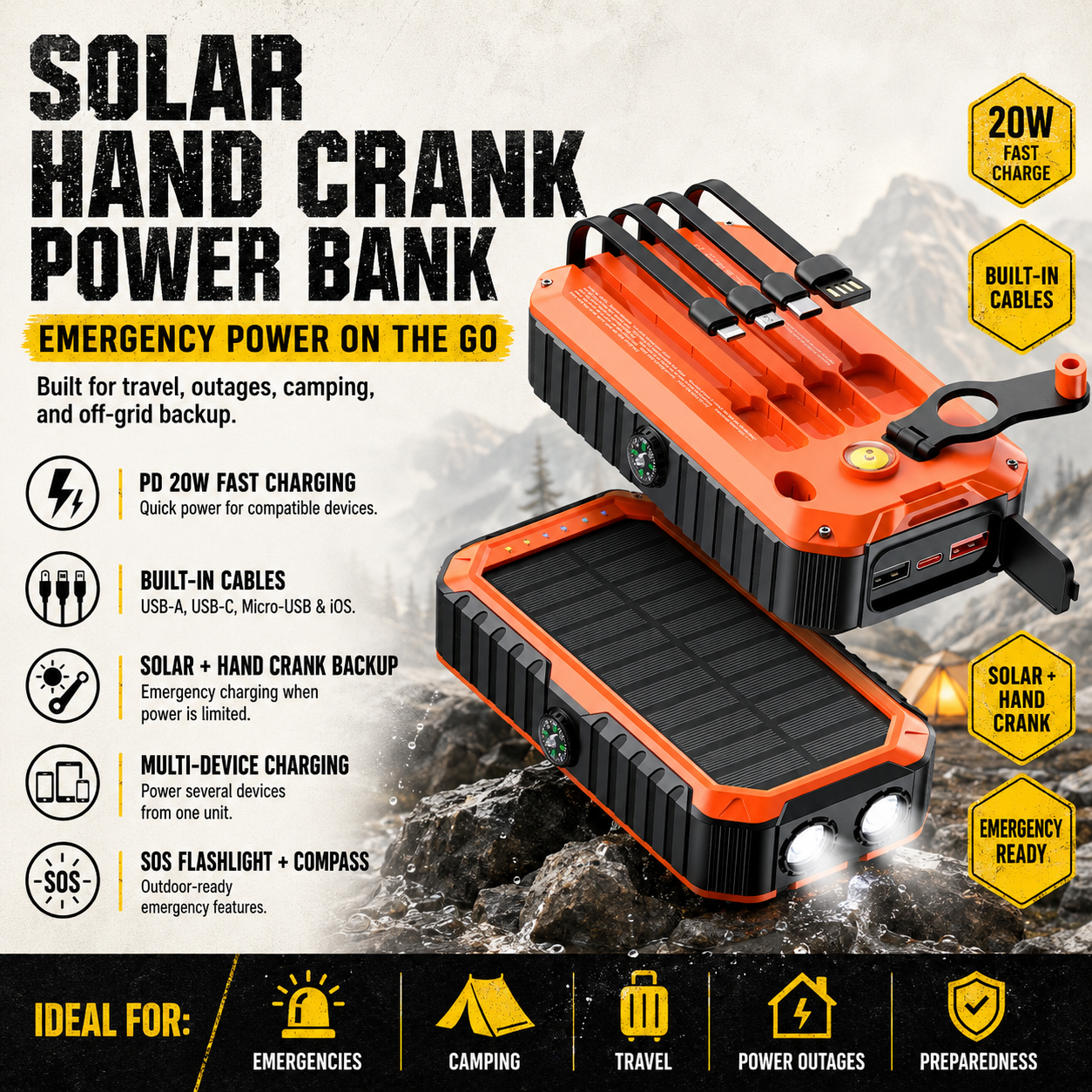
- Power bank
- Important documents
- Protective clothing
- Cash
🐾 Pets
- Carriers
- Leads
- Food and water
- Medication
- Copies of vet records
🟥 5. Last‑Minute Actions (When Fire Conditions Escalate)
When fire danger increases, your safety comes first. Property can be rebuilt — people cannot. If emergency services issue evacuation orders, warnings, or advice, leave immediately. Do not wait to see flames. Do not rely on past experience. Conditions change faster than most people expect.
If you are ever unsure, the safest option is always to evacuate early.
Only complete last‑minute preparations if:
- it is safe to do so,
- you are not under an evacuation order, and
- you have a clear path to leave.
🔥 If evacuation is advised → GO.
Do not stay to defend.
Do not wait for a second warning.
Do not assume you will “see it coming.”
🚨 If it is still safe and authorities have NOT told you to leave yet, you may:
- Close all windows, doors, vents and shutters
- Block gaps with wet towels to reduce ember entry
- Move flammable items away from the house
- Fill bathtubs, sinks and buckets with water
- Keep pets contained and ready for transport
- Move vehicles to a safe position facing the road out
- Monitor official emergency apps constantly
⚠️ Use authoritative information ONLY:
- NSW: Fires Near Me — https://www.rfs.nsw.gov.au
- VIC: Vic Emergency — https://www.emergency.vic.gov.au
- QLD: QFES Alerts — https://www.qfes.qld.gov.au
- WA: Emergency WA — https://www.emergency.wa.gov.au
- SA: CFS Incidents — https://www.cfs.sa.gov.au
- TAS: TFS Alerts — https://www.fire.tas.gov.au
These sources provide live, official directions from emergency authorities. Social media and unofficial reports are not reliable during fast‑moving fires.
🛑 Critical Bushfire Survival Rule
If emergency services tell you to leave — LEAVE.
No checklist, no preparation, and no equipment is a substitute for official orders. Your life and your family’s safety must always come before property.
🟨 6. After the Fire
When safe to return:
- Check for hotspots and smouldering material
- Avoid damaged roofs and unstable structures
- Wear masks around ash
- Dispose of spoiled food
- Photograph damage for insurance
- Watch for falling trees and branches
⚠️ Important Survival Disclaimer
This Bushfire Readiness page provides general preparedness information only. It does not replace instructions from emergency services. During an active bushfire, always follow official advice from your state/territory fire authority and local emergency services.
``