Power Outage / Blackout Prep Guide
Power Outage / Blackout Prep Guide (Australia)
Extended blackouts can occur during storms, heatwaves and bushfires. Be ready to protect health, food, devices and critical equipment—especially in regional and coastal areas.
🟦 1. Know Your Local Outage Info
- Western Power (WA – SWIS) — Outage info & preparing for extended outages: [westernpower.com.au]
- Horizon Power (Regional WA) — What to do before, during & after an outage: [horizonpower.com.au]
- Emergency WA (DFES) — State warnings & preparedness: [dfes.wa.gov.au]
🟩 2. Prepare Your Home Before an Outage
✔ Charge & protect
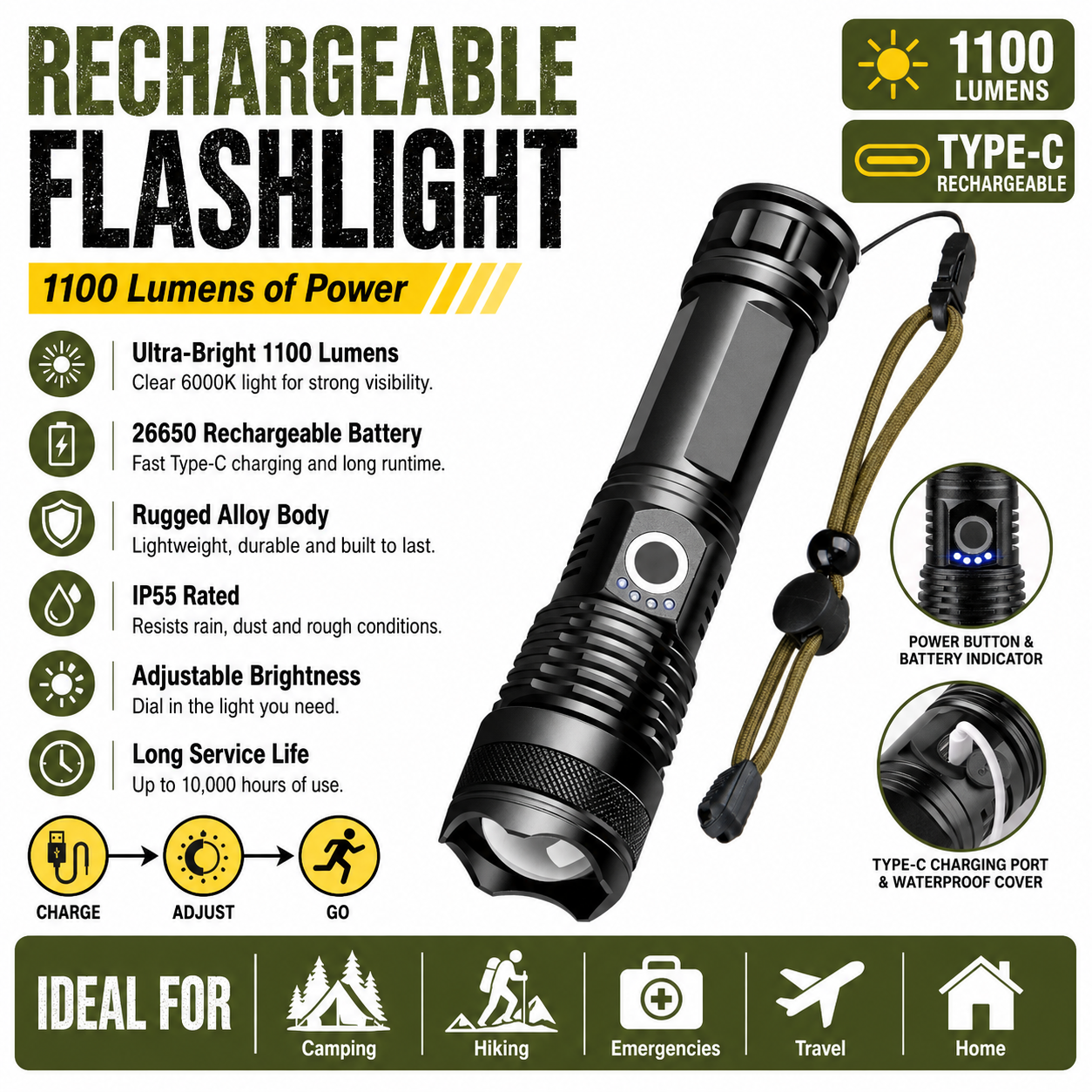
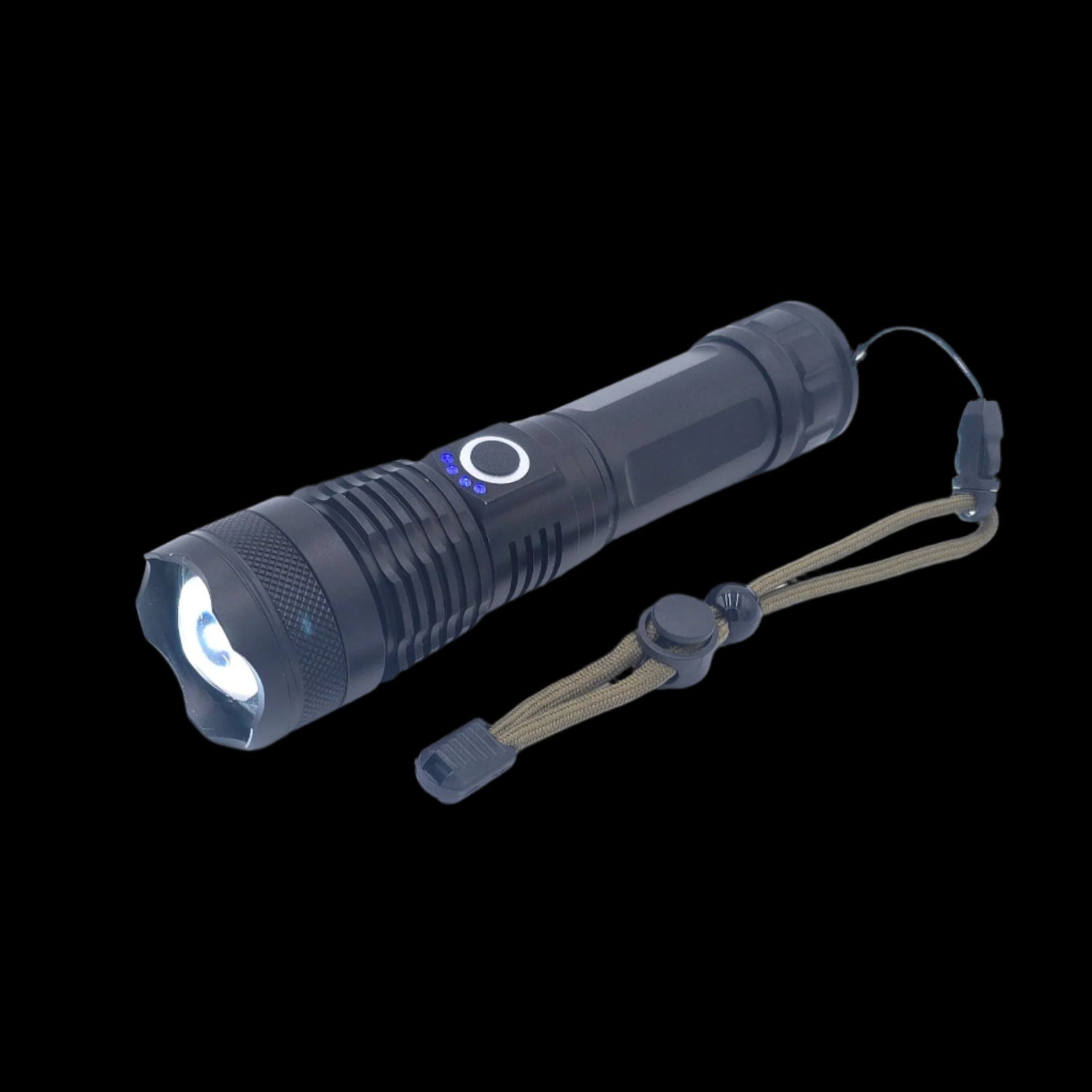
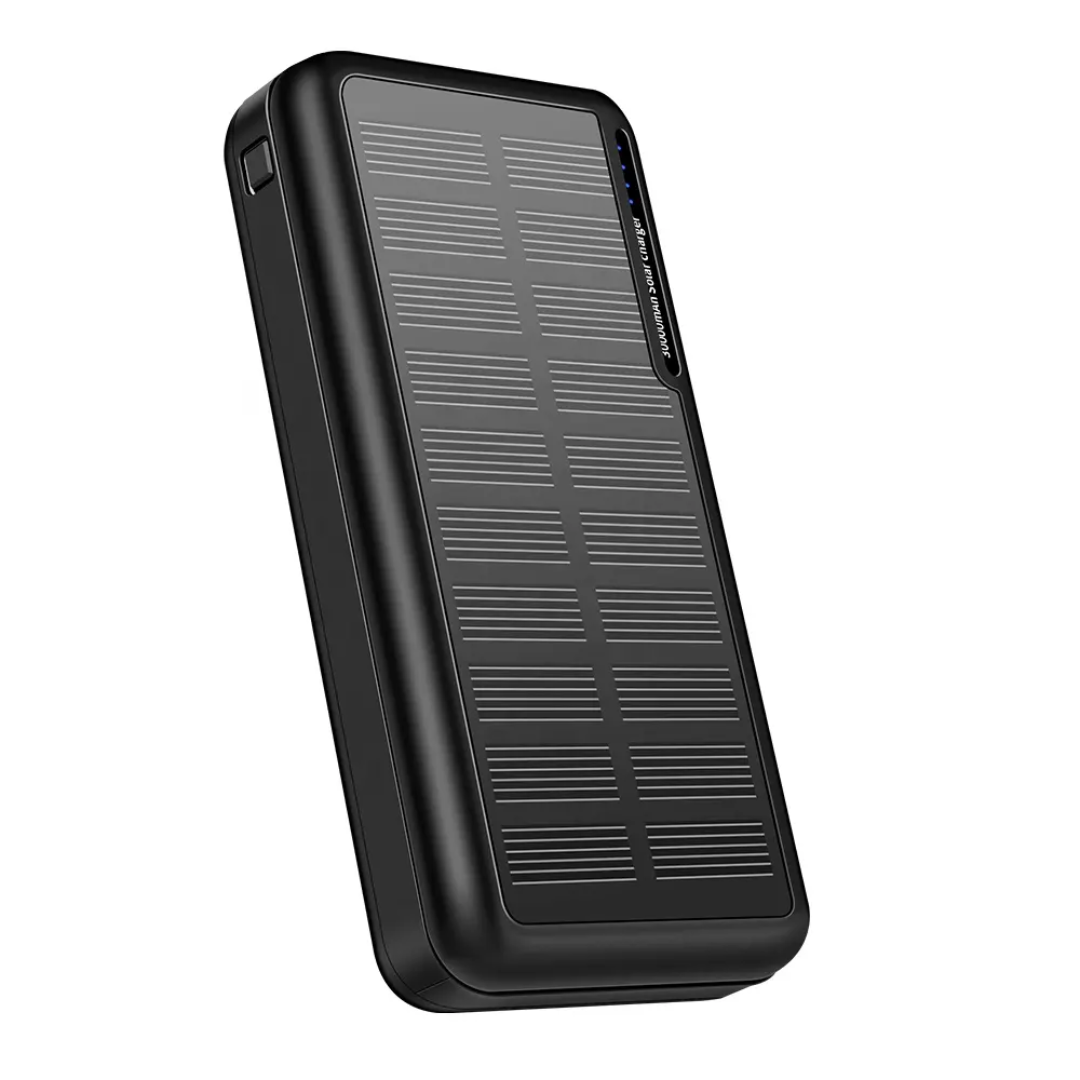
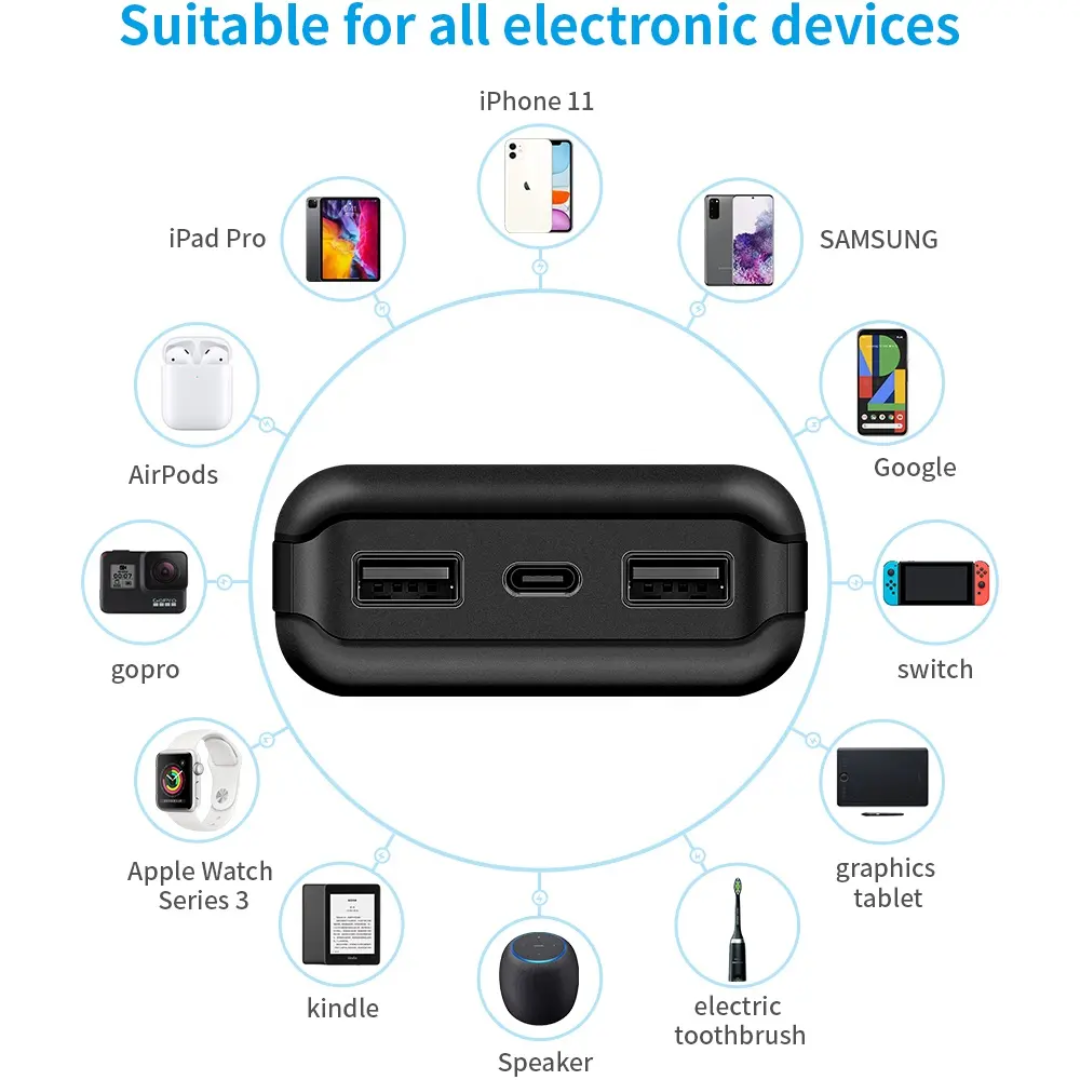
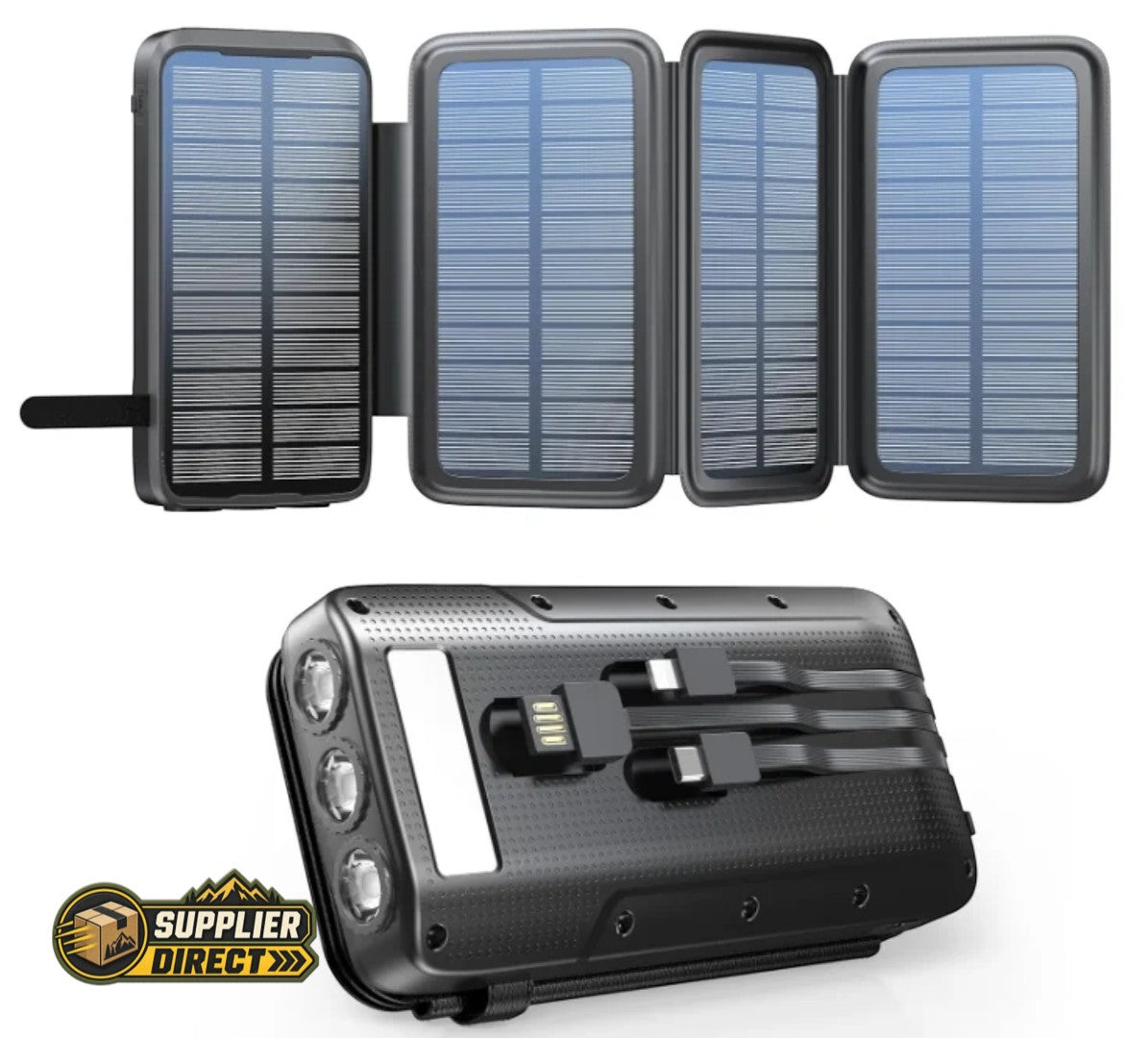
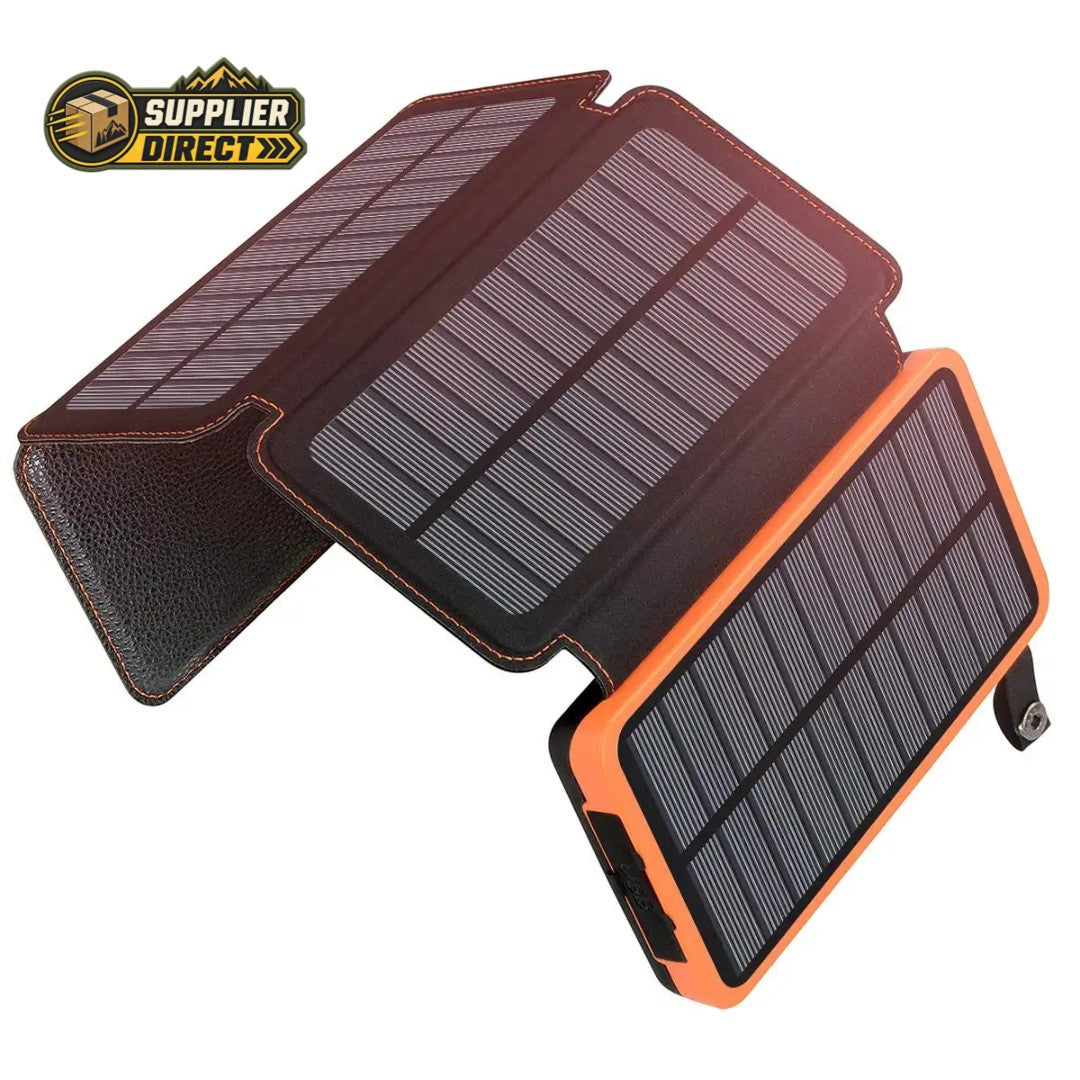
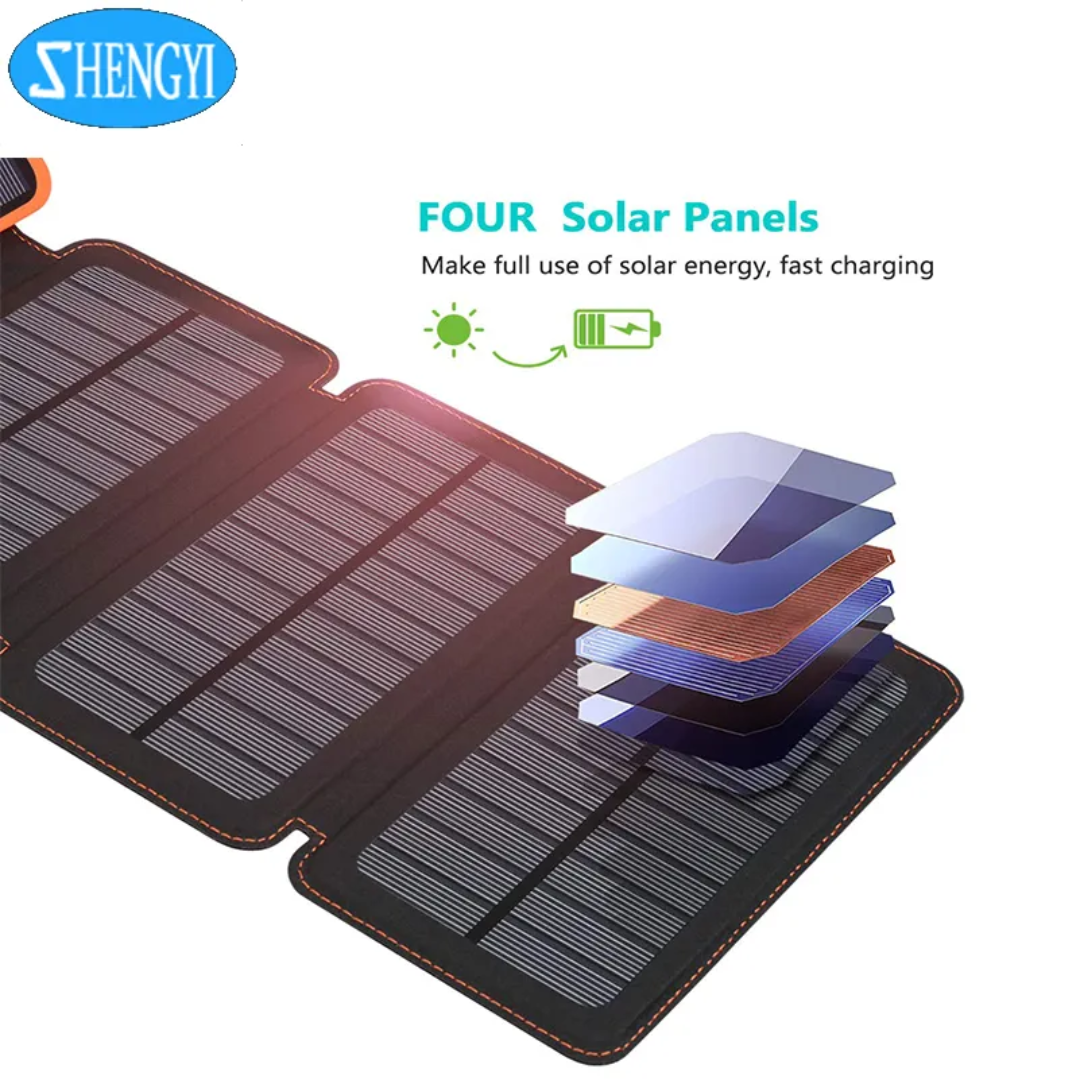
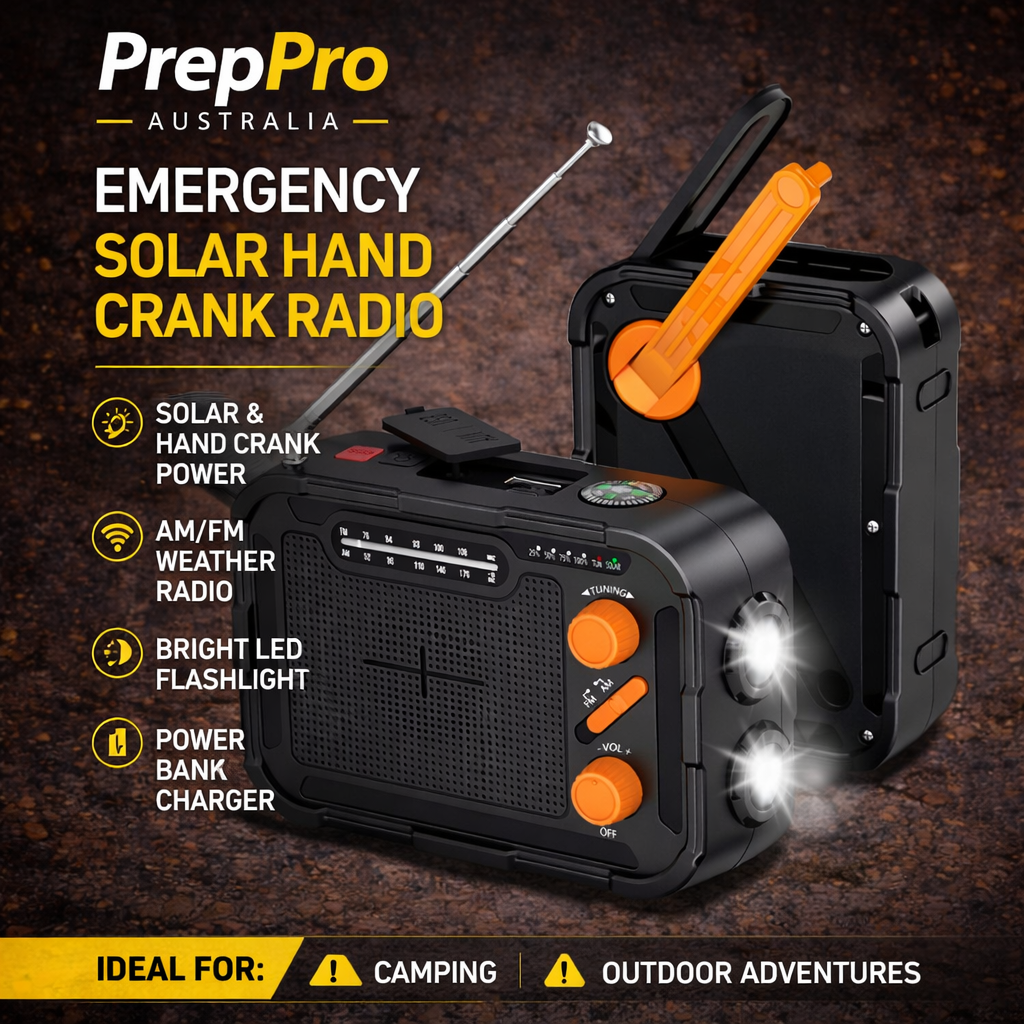
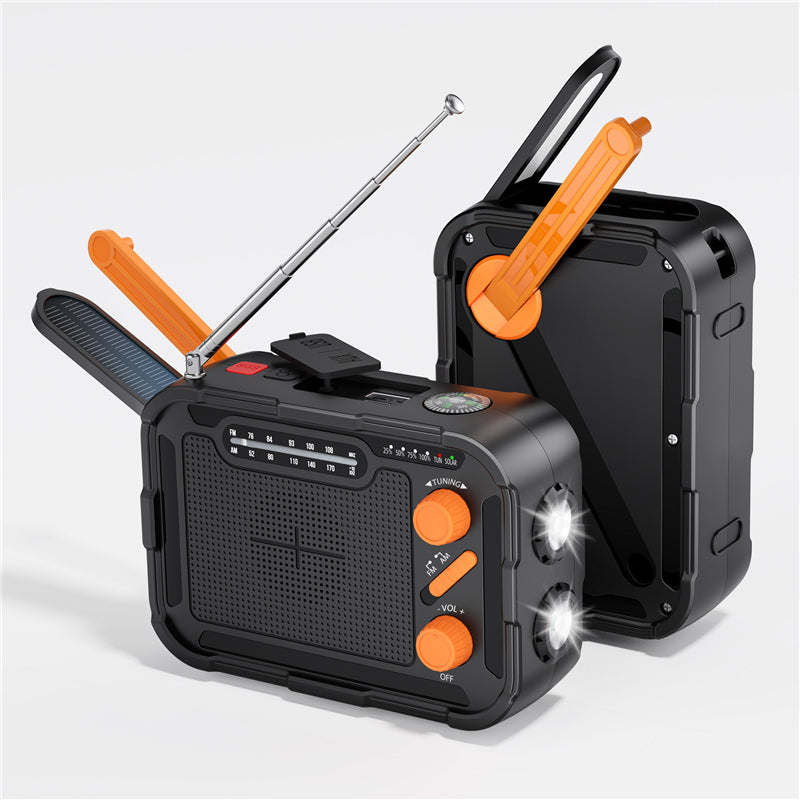
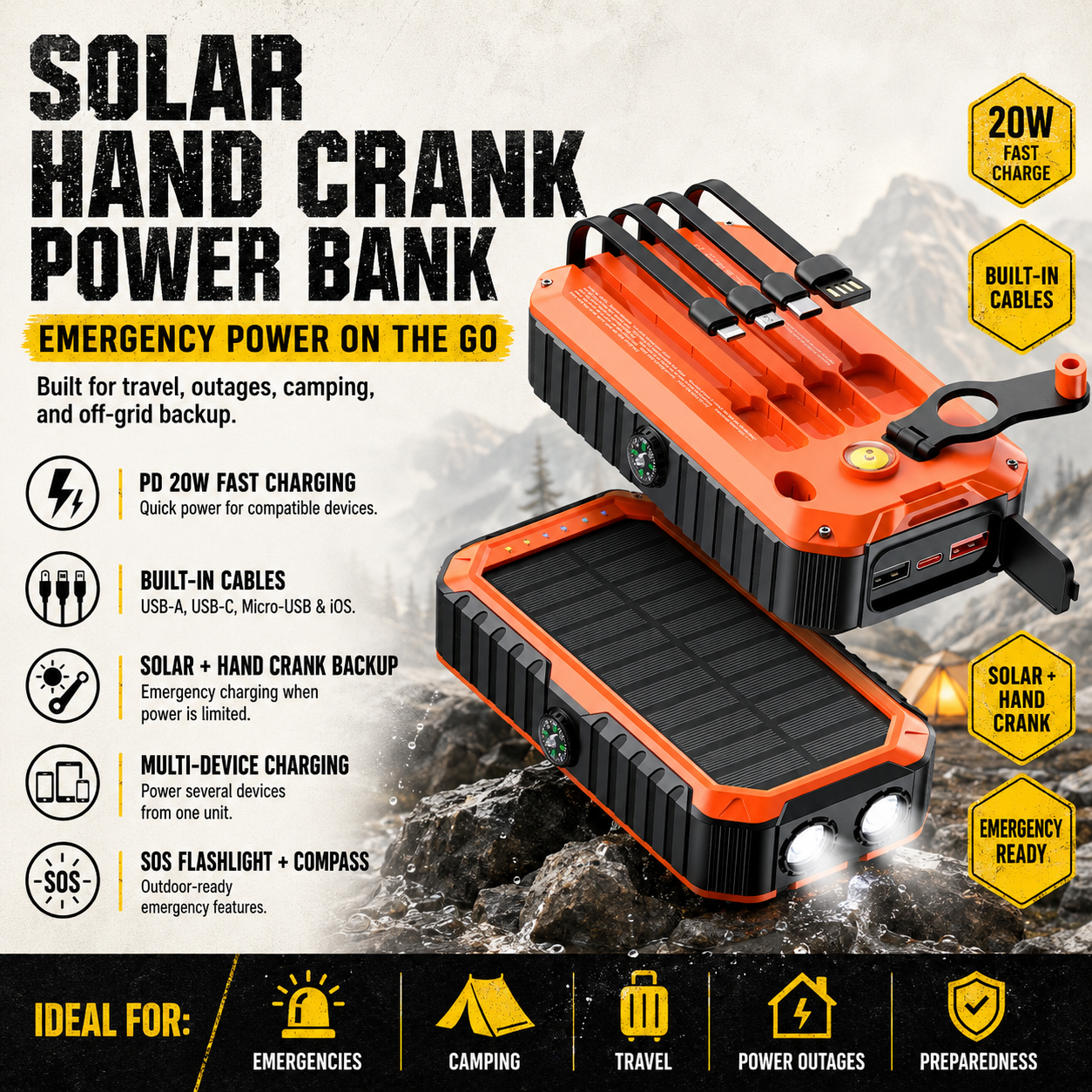
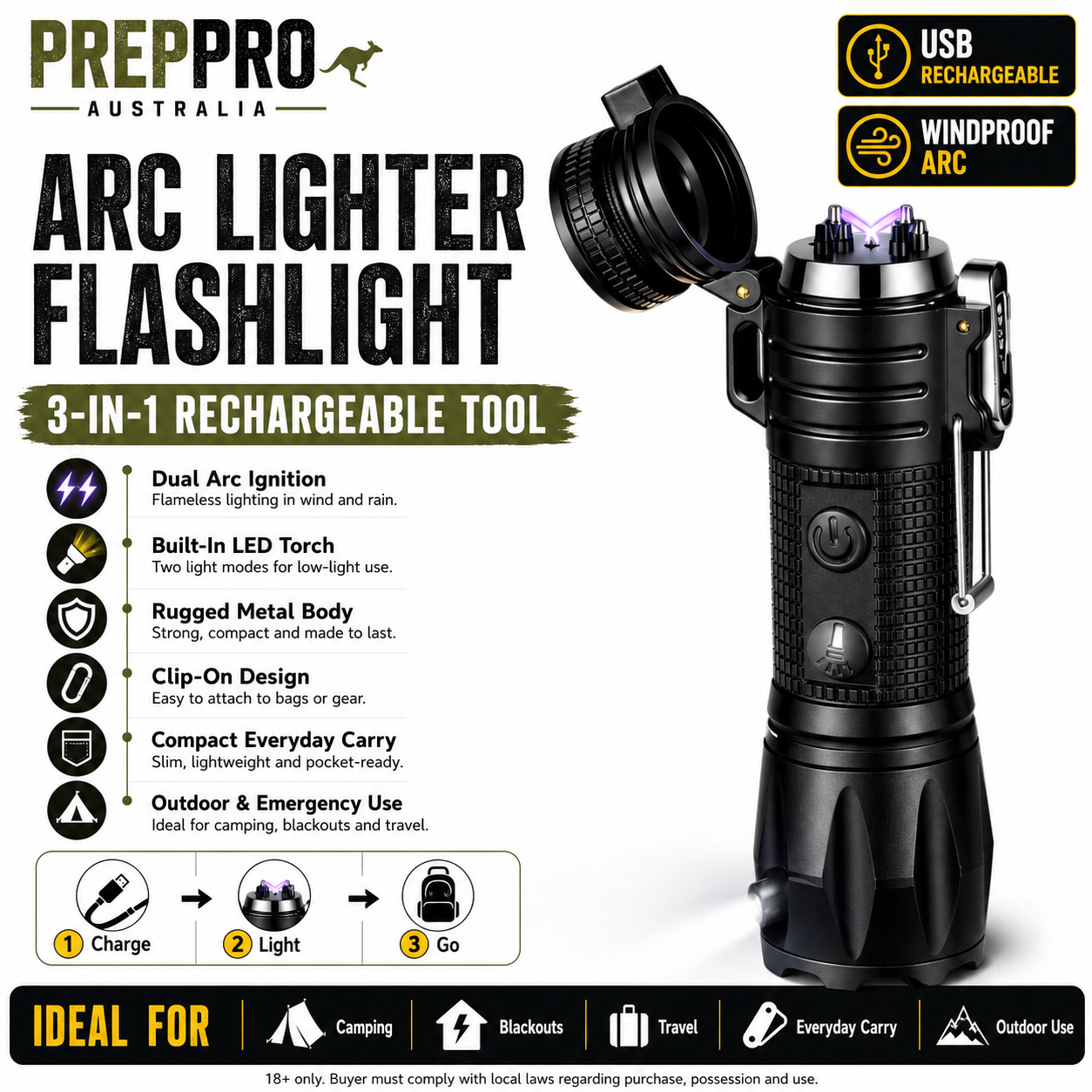
- Fully charge phones, power banks, torches, and a battery radio; consider surge protection for sensitive devices.
- Know how to open garage doors/gates manually; leave one lamp on to see when power returns. [westernpower.com.au]
✔ Keep food cold
- Set fridge/freezer to coldest; pre‑freeze ice blocks; minimise door opening during an outage. [health.vic.gov.au]
✔ Safety & comms
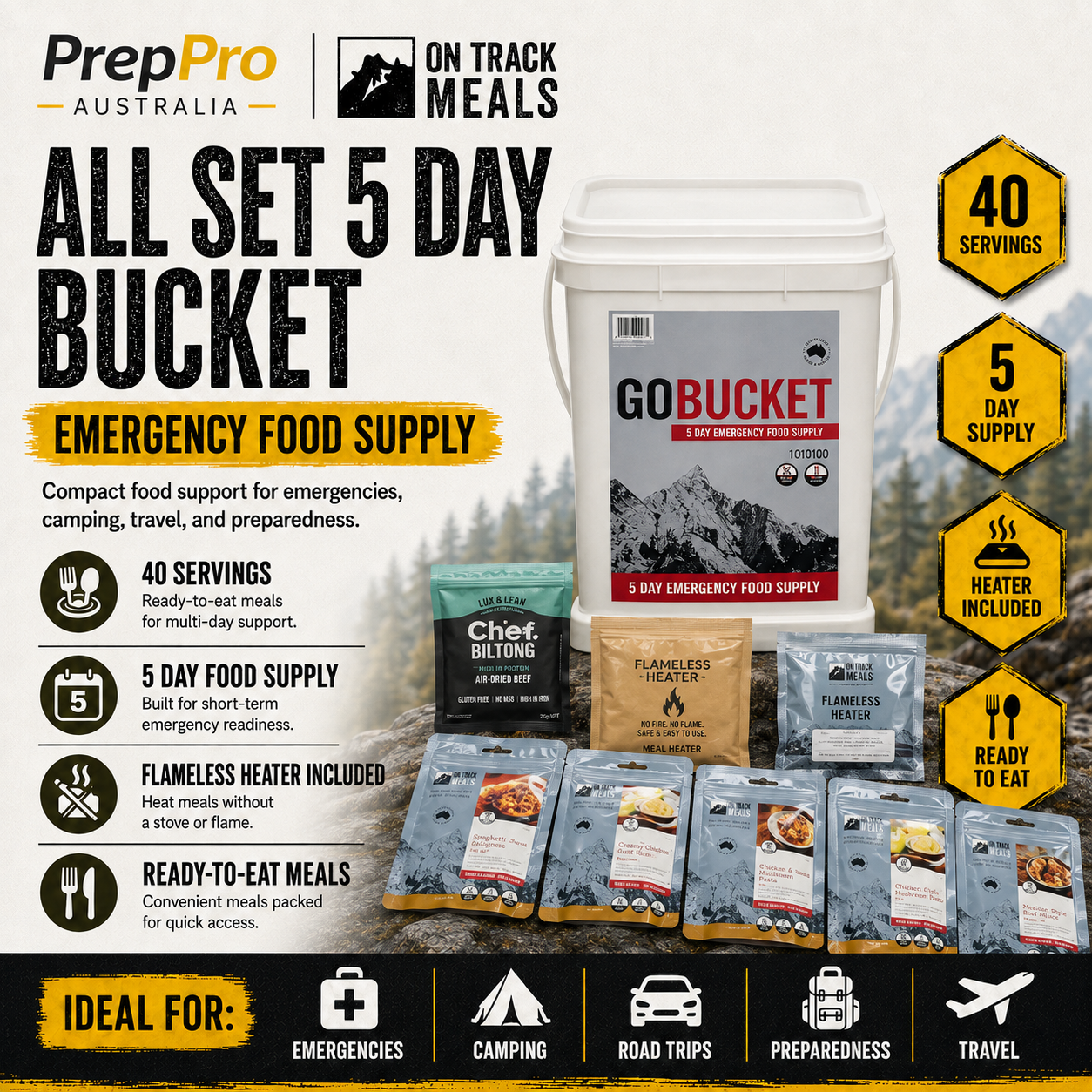
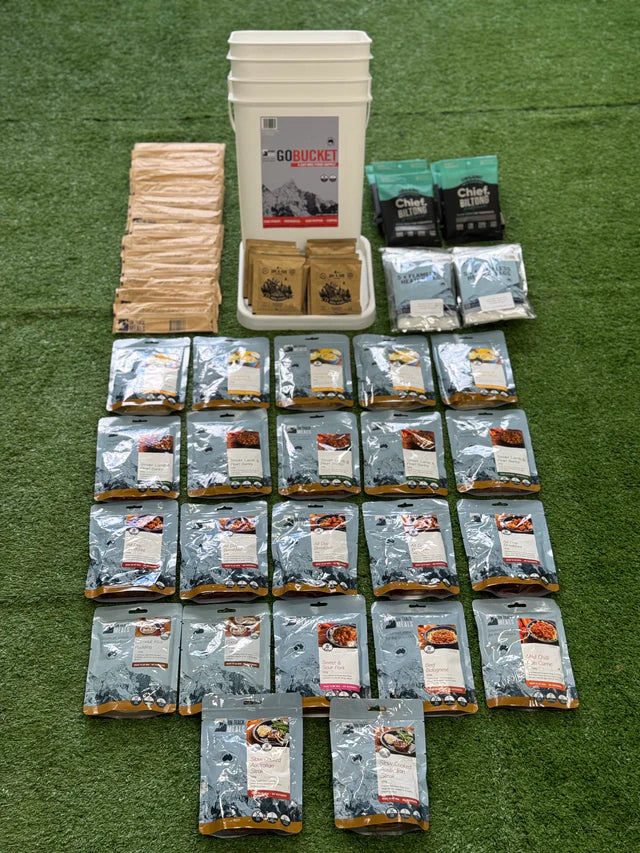
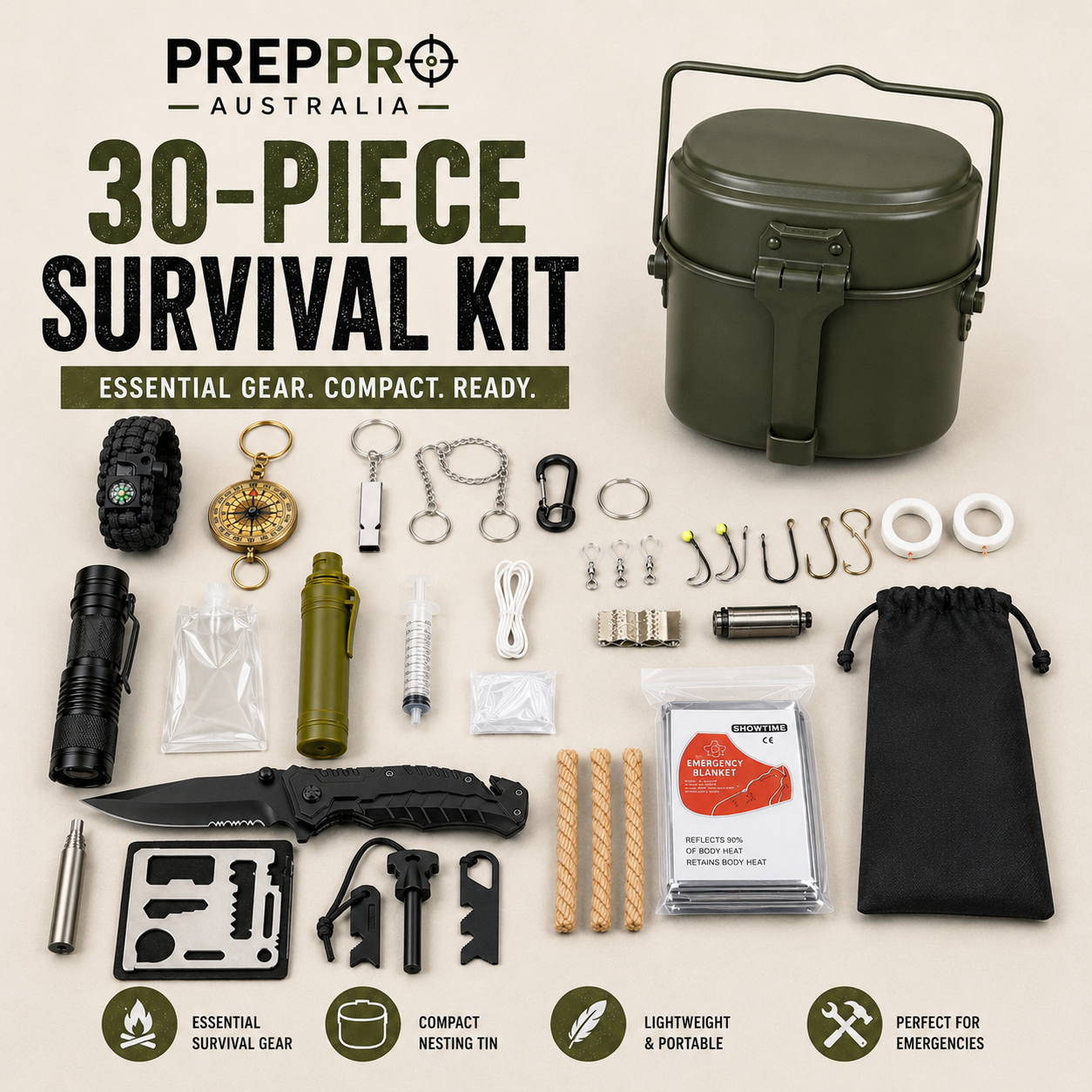
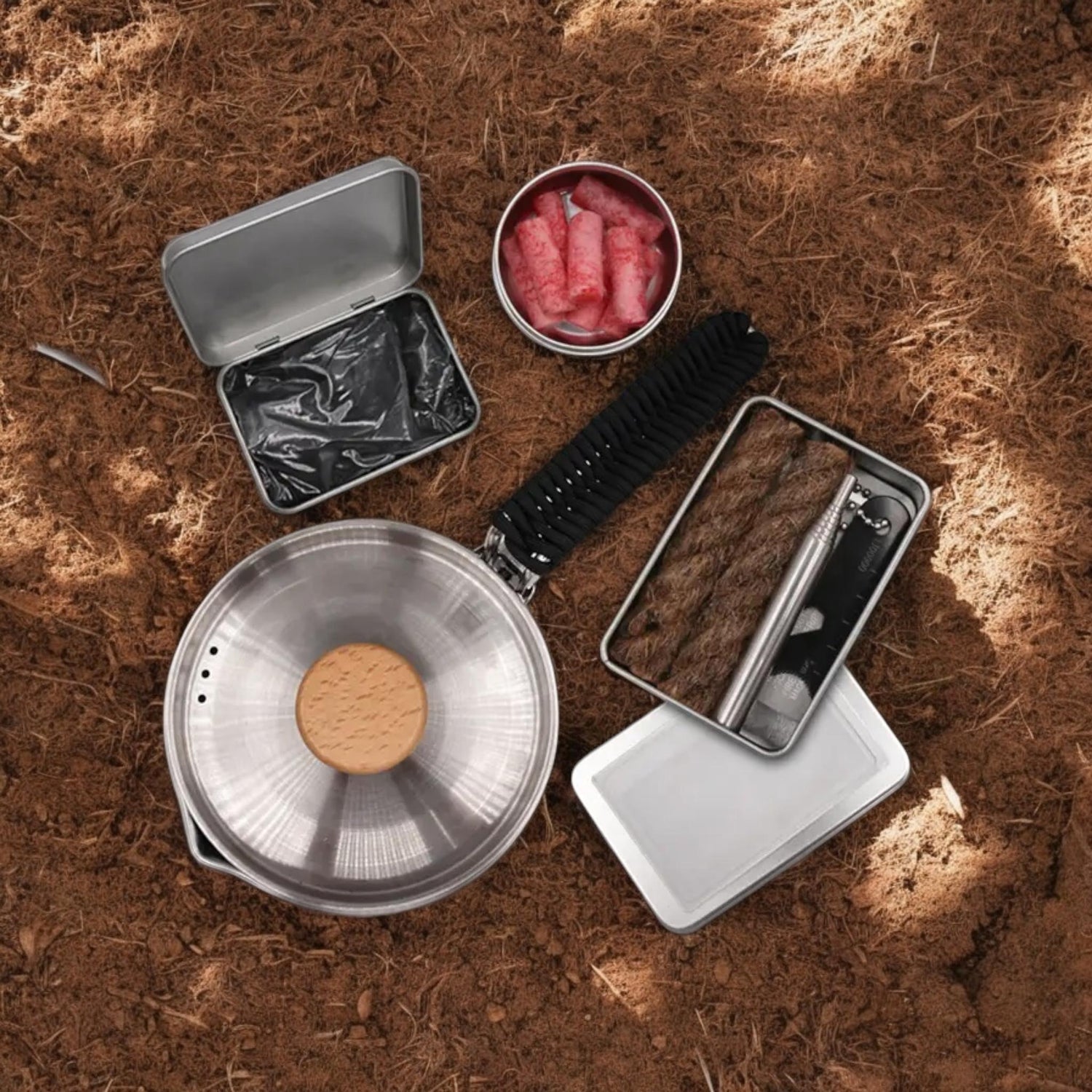
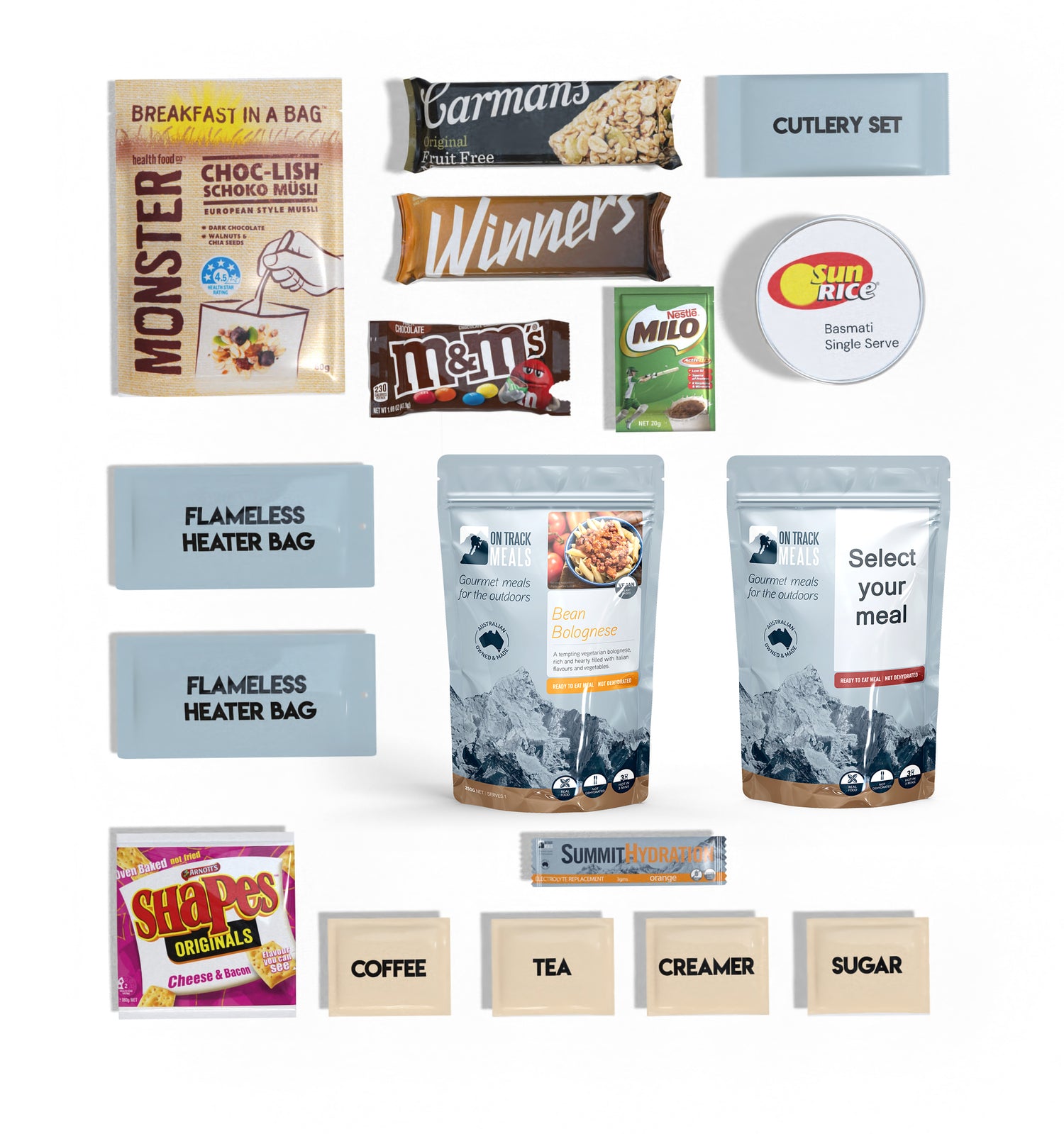
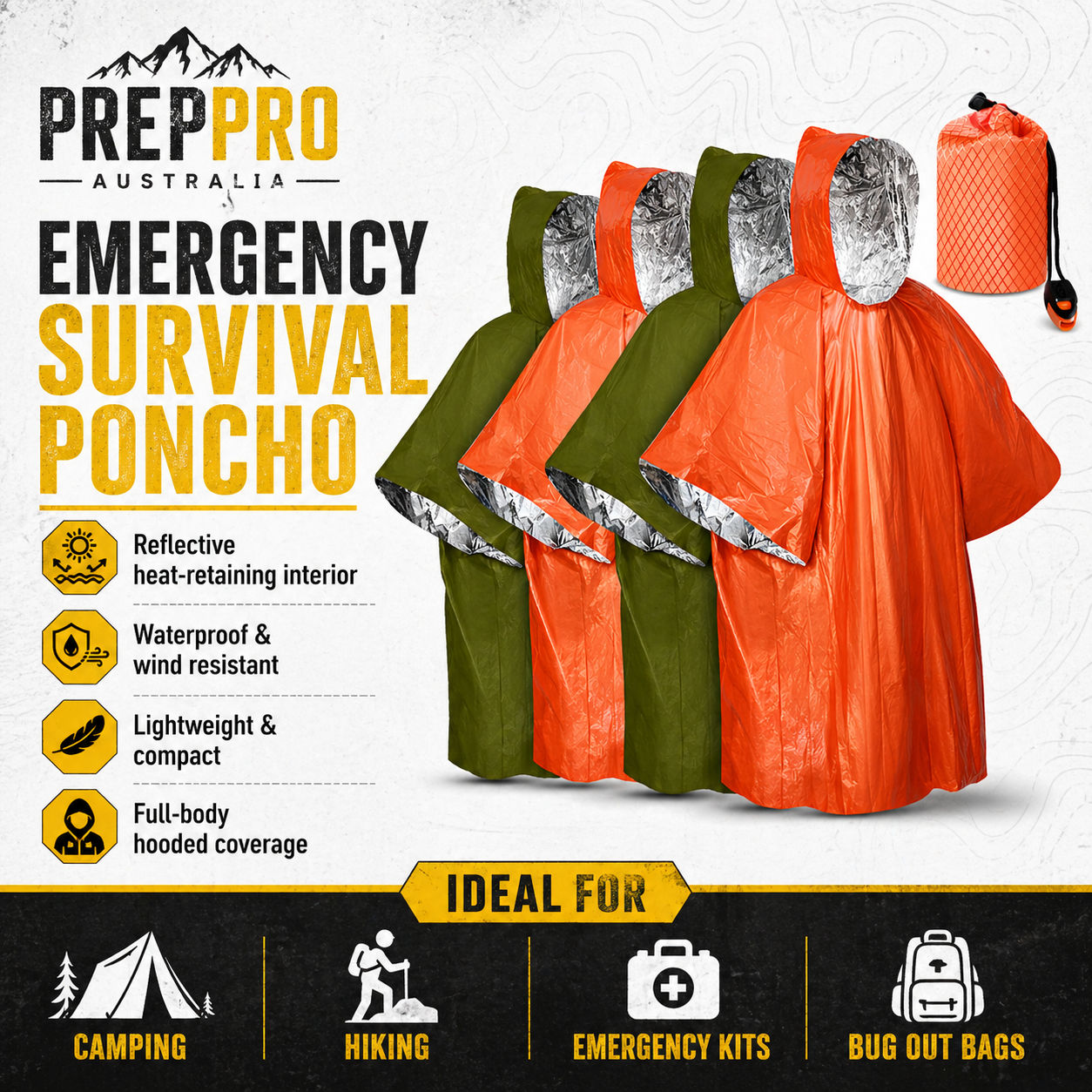
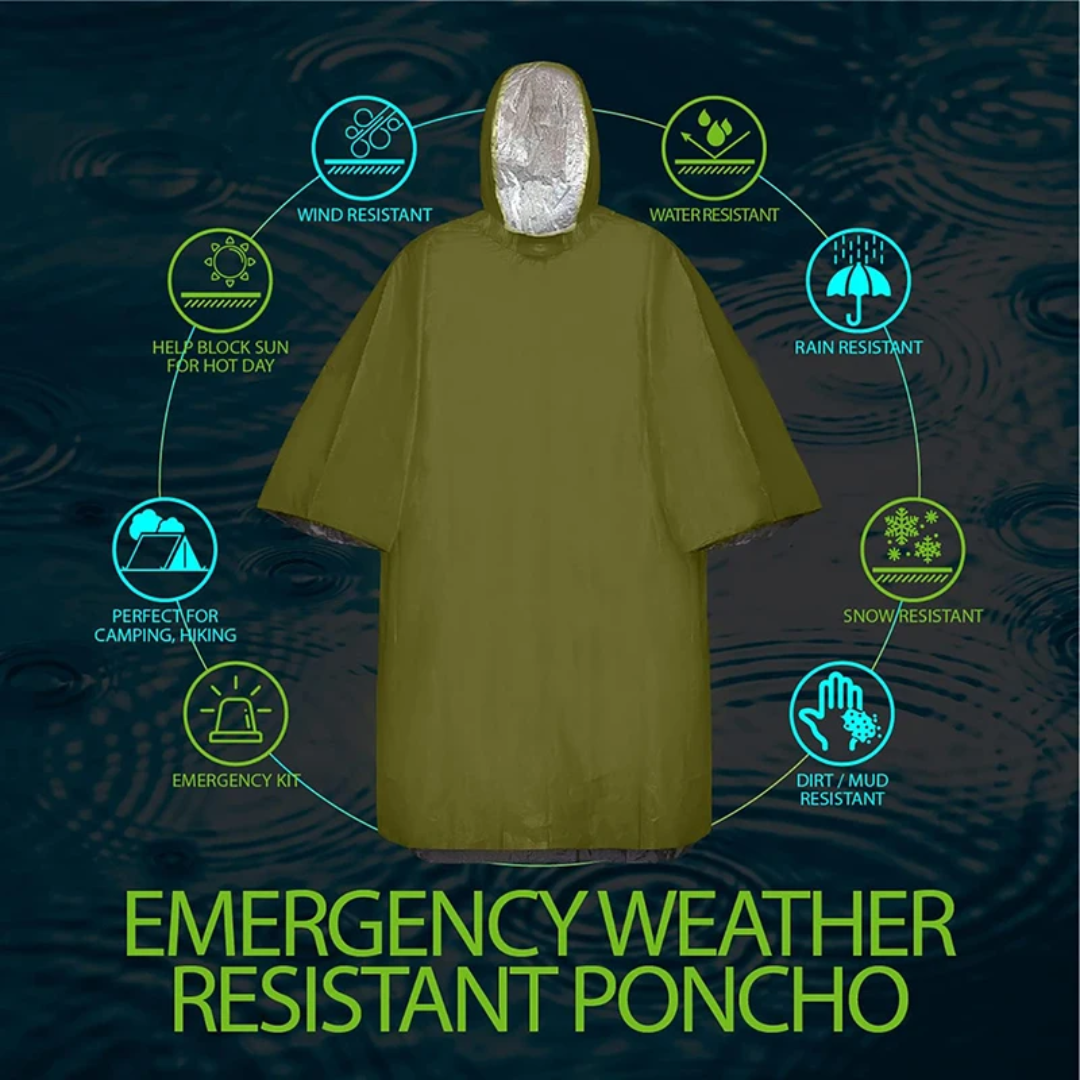
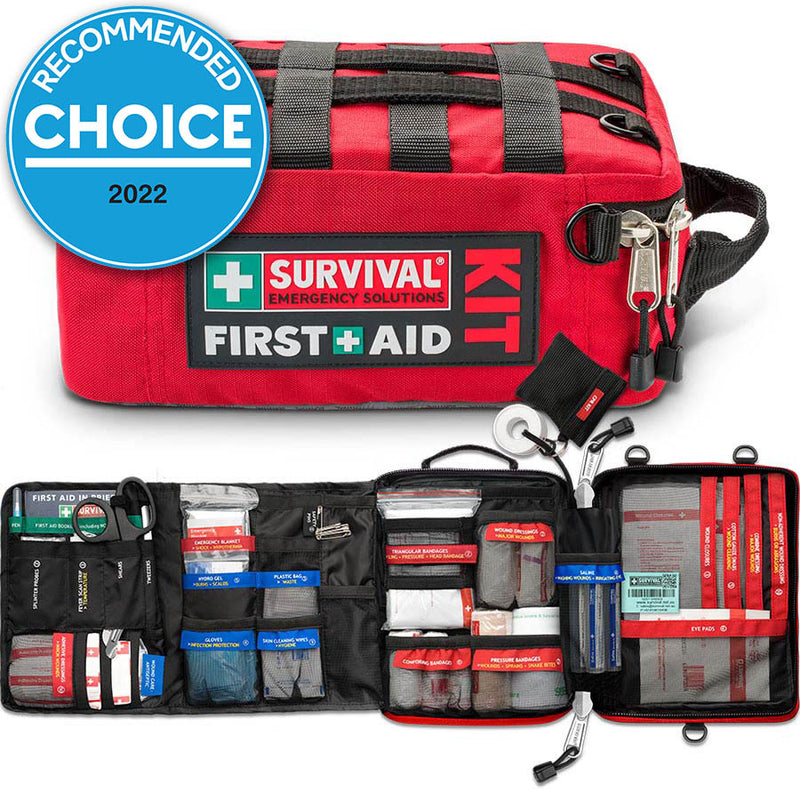
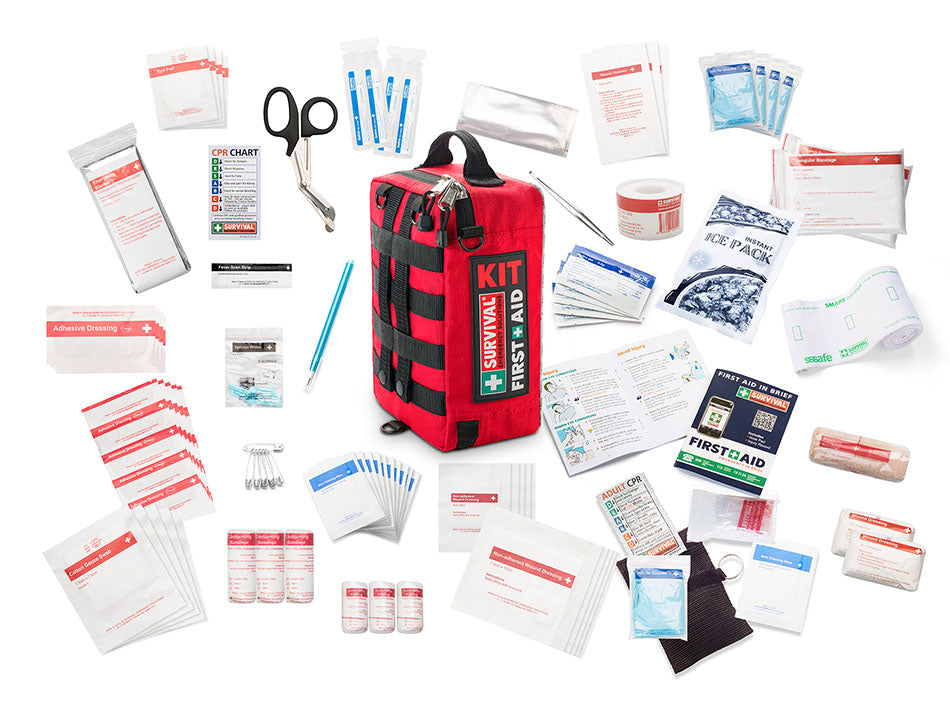
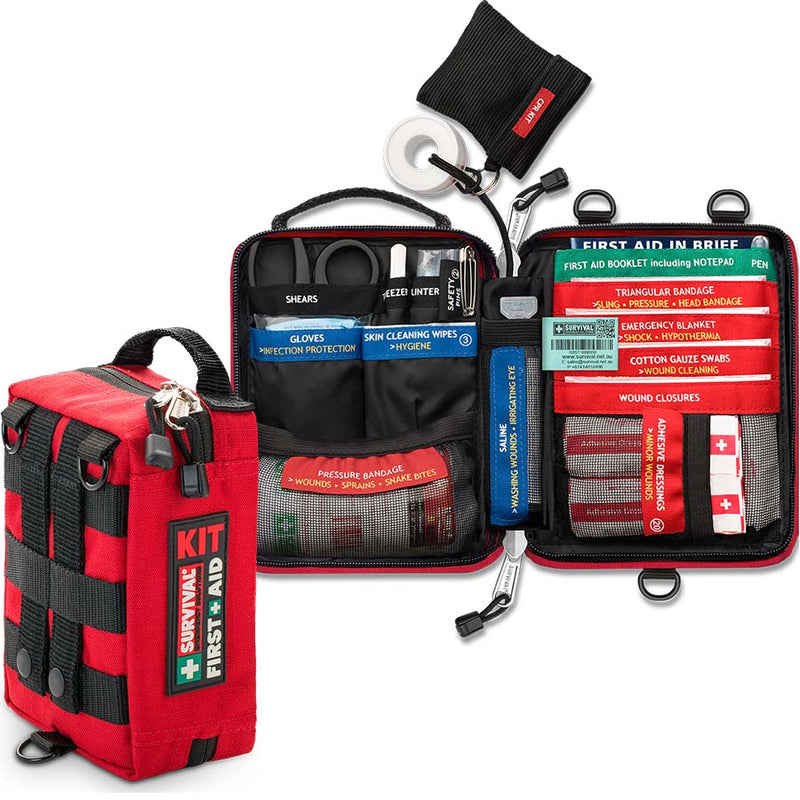
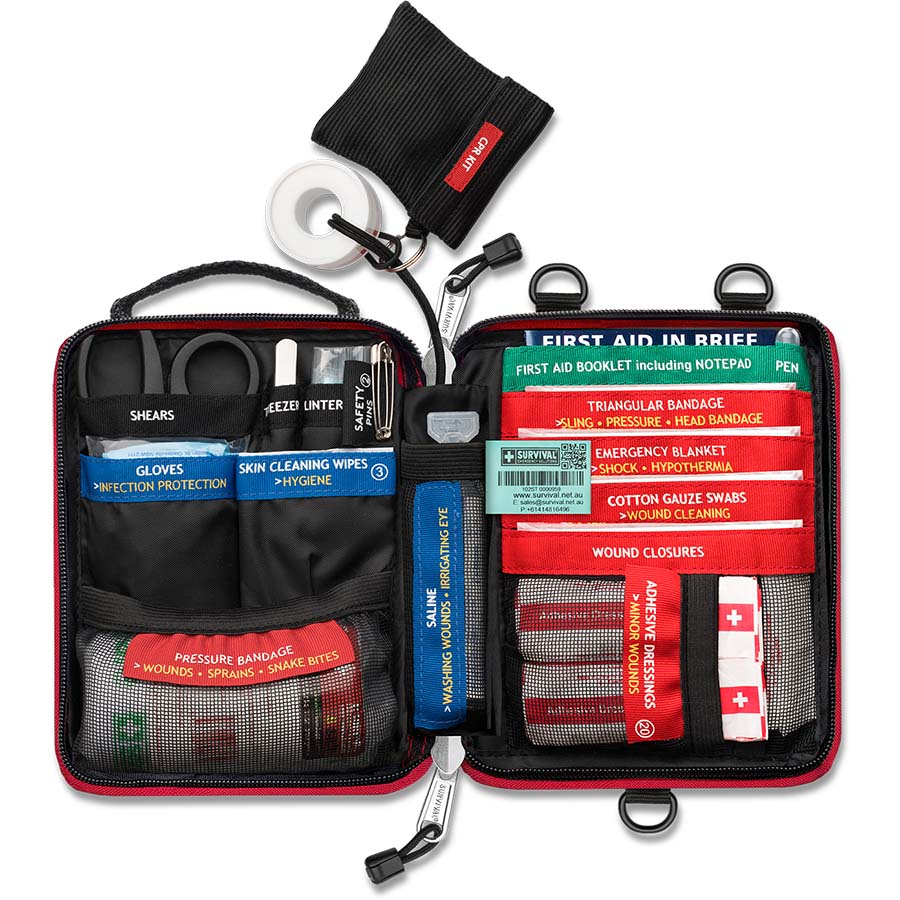
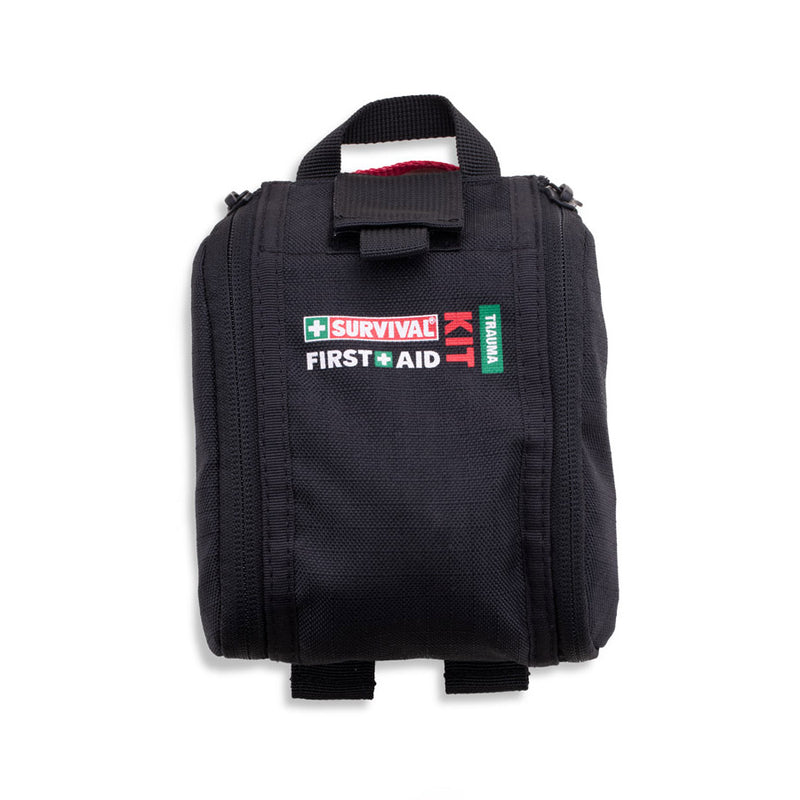
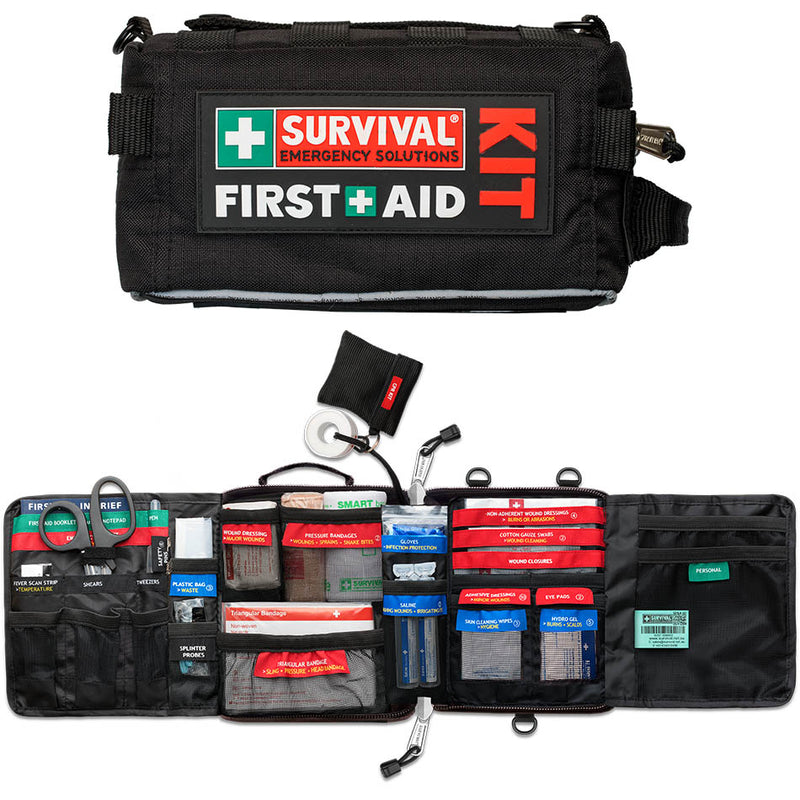
- Store emergency numbers and utility fault lines; prepare a basic kit (water, non‑perishable food, first‑aid, torches, batteries). [energy.vic.gov.au]
🩺 3. Life Support & Refrigerated Medicines
- Register life support needs with your electricity retailer and network operator; plan for backup supply and alternative accommodation if needed. [westernpower.com.au]
- Fridge‑stored medicines (e.g., insulin, certain eye drops) may tolerate room temp for limited time—check Consumer Medicines Information and ask your pharmacist; replace compromised stock ASAP. [health.nsw.gov.au]
🍗 4. Food Safety During Outages
- Follow the 2‑hour/4‑hour rule for potentially hazardous foods between 5 °C and 60 °C: <2h → refrigerate/use; 2–4h → use now; >4h → discard. [foodstandards.gov.au]
- Keep fridge/freezer doors closed; move perishables to eskies with ice if needed. [health.vic.gov.au] [foodsafety.asn.au]
⚠️ 5. Generator & BBQ Safety (CO Risk)
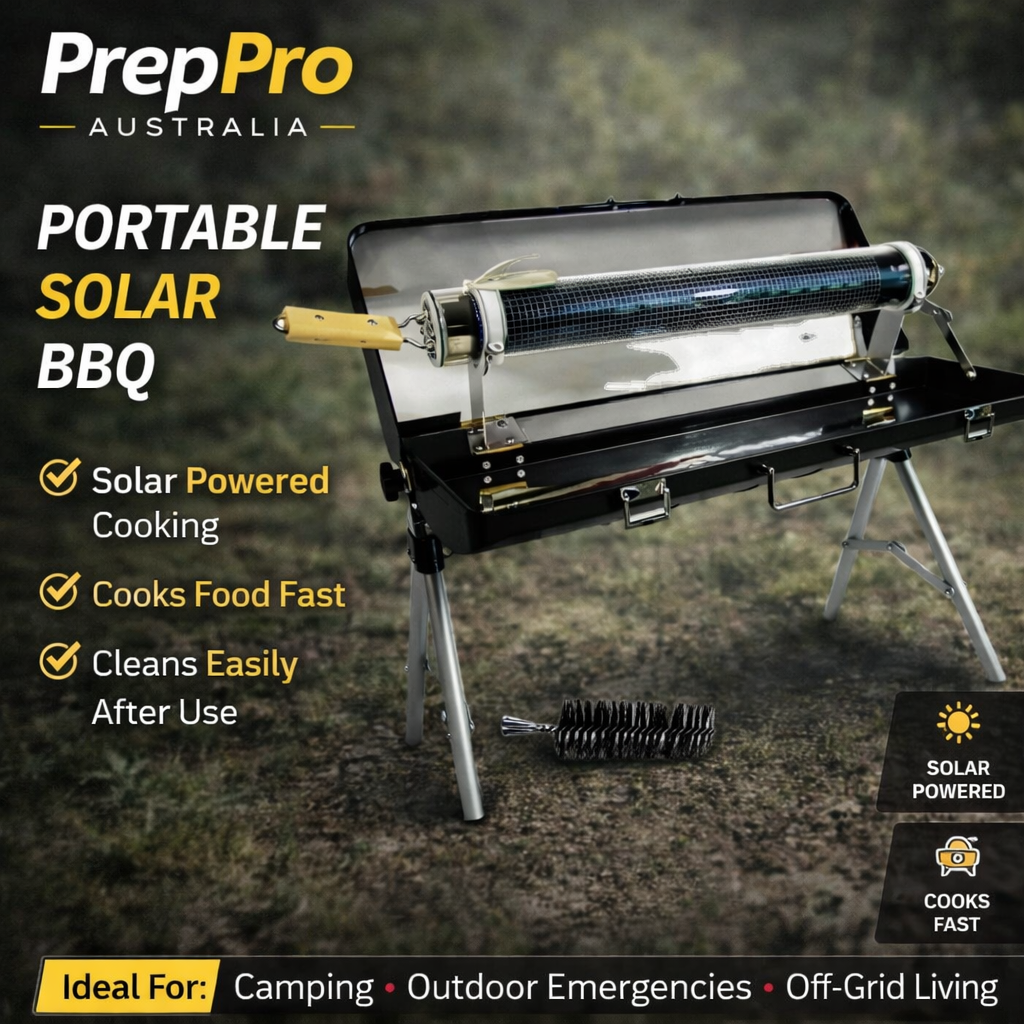
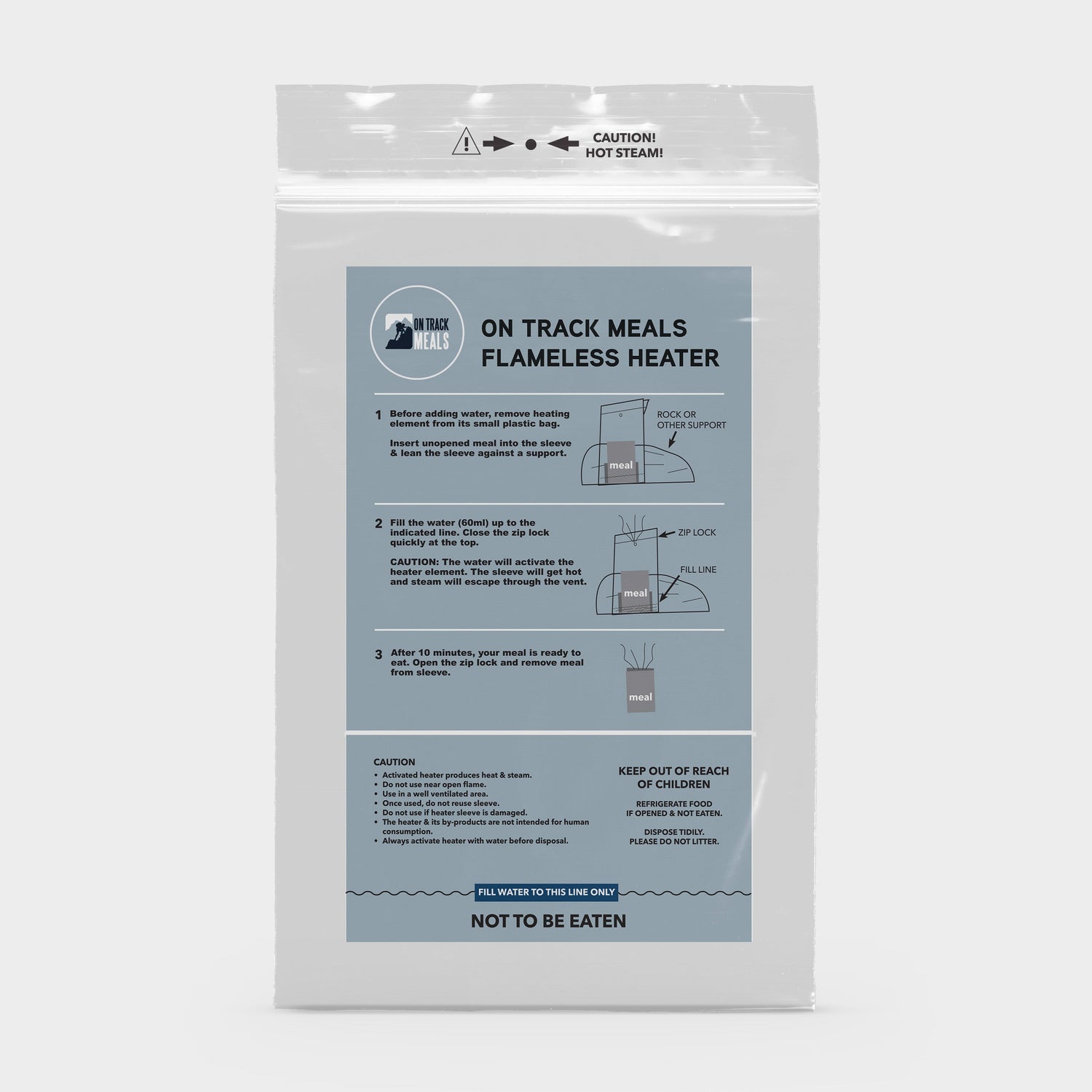
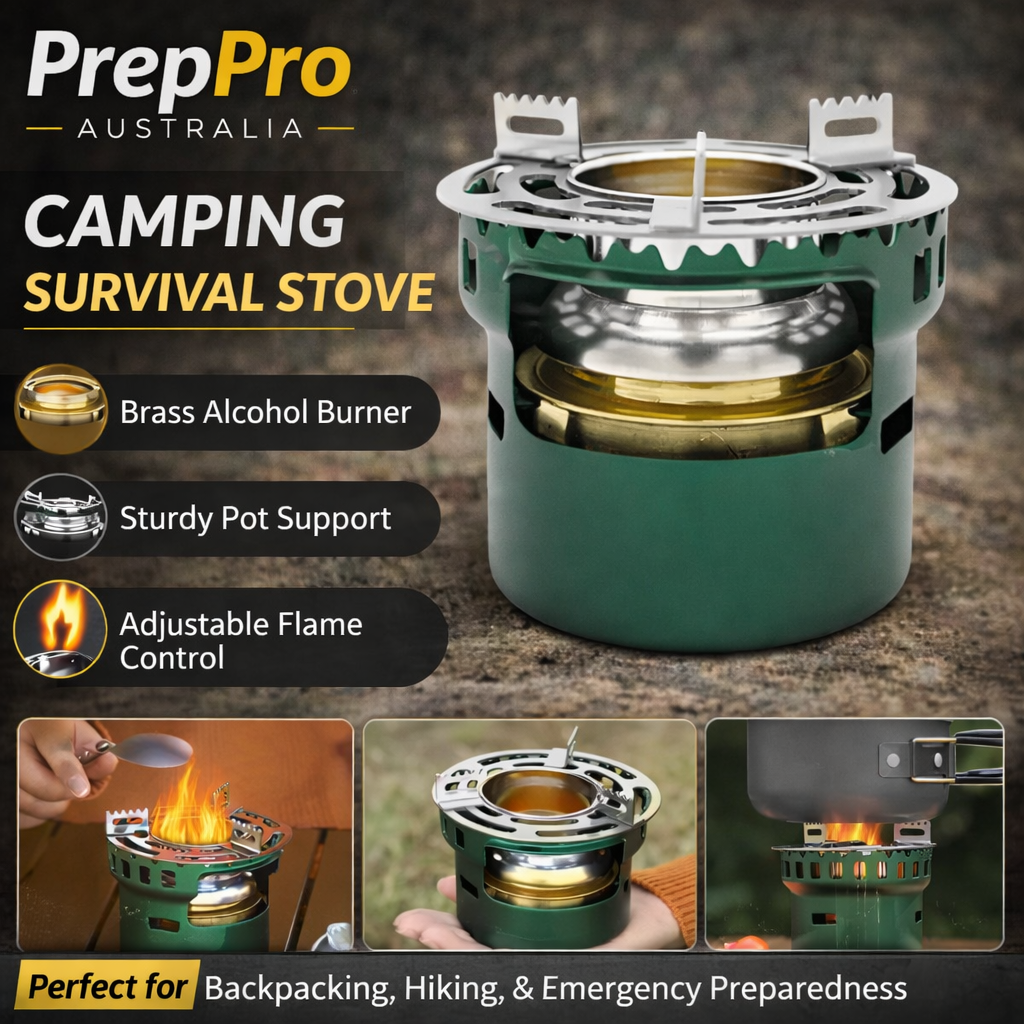
- Never run generators, BBQs, camp stoves or fuel heaters indoors or near open windows/vents—use outdoors only. [health.vic.gov.au]
- Do not plug a generator into household power points or wiring; use a changeover switch and inlet socket installed by a licensed electrician. [energysafe.vic.gov.au] [wa.gov.au]
- Keep generators dry, away from rain/grass; cool before refuelling; use heavy‑duty outdoor‑rated extension leads only. [energysafe.vic.gov.au] [energy.vic.gov.au]
🔌 6. During the Outage
- Turn off/unplug appliances (leave one lamp on); avoid candles; use torches/headlamps instead.
- Minimise opening fridges/freezers; prioritise using perishables first; switch off AC so it doesn’t auto‑start on return. [westernpower.com.au] [energy.vic.gov.au]
- Report downed lines and hazards; keep well clear. [horizonpower.com.au]
🟫 7. After Power Returns
- Wait a few minutes, then reconnect appliances gradually to reduce surge risk. [energy.vic.gov.au]
- Check food temperatures; when in doubt, throw it out. [health.vic.gov.au] [foodstandards.gov.au]
- If you used a generator, let it cool, store fuel safely, and inspect leads for damage. [energysafe.vic.gov.au]
📞 8. Key Contacts (Australia)
- Life‑threatening emergencies: 000
- SES (Storm/Flood assistance): 132 500
- Western Power Faults (SWIS): 13 13 51 — [westernpower.com.au]
- Horizon Power Faults (Regional WA): 13 23 51 — [horizonpower.com.au]
⚠️ Disclaimer
This guide provides general preparedness information. Always follow directions from your local authorities, energy distributor and emergency services.