
Storm
Ready
Destructive winds, heavy rain, lightning and flash flooding can knock out power, phones and roads in minutes. Cyclones in the north can escalate fast. Preparation is what keeps your household safe.
Told to evacuate? Leave now. Once strong winds start, stay indoors. For storm damage help call the SES on 132 500. In a life-threatening emergency call Triple Zero (000).
Storm Prep in Minutes
A quick walkthrough of getting your home and household ready for storm and cyclone season.
Know Your Risk
Your risk is higher in coastal, northern, tropical and storm-prone areas. Know where to get official warnings before you need them.
ABC Radio is Australia's official emergency broadcaster. Keep a battery radio handy, because power and mobile networks often drop out in severe storms.
Prepare Your Property
Do this before storm season. Loose items and weak spots are what turn a bad storm into serious damage.
Tie It Down
Loose items become projectiles in high winds.
- Store or secure outdoor furniture & bins
- Pack away tools & toys
- Take down shade sails
- Anchor or flip trampolines
Clear the Hazards
- Clear gutters, downpipes & drains
- Trim branches near the roof
- Remove weak or dead limbs
- Keep drainage paths clear
Check the Weak Spots
- Look for loose tiles or roof sheets
- Check seals & flashing
- Fit surge protection for key devices
- Know how to turn off power, gas & water
Cyclone Categories
The Bureau of Meteorology rates cyclones from 1 to 5. The higher the category, the stronger the winds and the greater the damage.
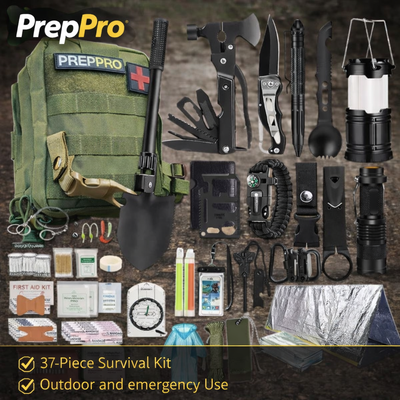
The PrepPro Storm Kit
A realistic, field-tested list. Have it packed before the season so you're not queuing at the shops when a warning drops.
Stay Connected
- Battery radio & spare batteries
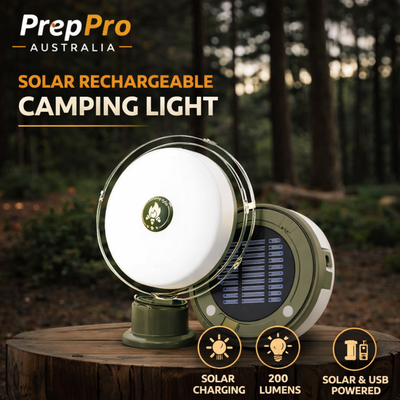
- Headlamp or torch
- Charged power banks
- Cash
Ride It Out
- 3 days of food & water
- First-aid kit
- Waterproof document pouch
- Multi-tool
- Tarps, plastic sheeting & duct tape
- Wet-weather gear & sturdy shoes
- Sandbags if you're flood-prone
Don't Forget Them
- Carrier & lead
- Food & water
- Medications
- ID tag & microchip details
When the Storm Hits
Follow official instructions straight away. Roads can become impassable quickly.
Told to evacuate? Leave now.
Don't wait for the wind, the rain or visible danger.
Before it arrives
Only if you are not under an evacuation order:
- Bring pets inside
- Move vehicles under cover or to high ground
- Unplug appliances
- Fill water containers & the bath
- Close blinds & curtains
- Charge every device & power bank
If you're sheltering
Only if authorities say it's safe to stay:
- Shelter in the strongest room
- Stay well away from windows
- Keep your radio & torches within reach
- Keep pets secured
- Stay inside once strong winds begin
After the Storm
The danger isn't over when the wind drops. Take it slow and stay alert.
Watch for Hazards
- Treat every fallen power line as live
- Don't enter damaged buildings until cleared
- Stay out of floodwater
- Have gas & electrics checked by a professional
Look After Each Other
- Photograph damage for insurance
- Check on your neighbours
- Boil tap water until it's declared safe
- Call the SES on 132 500 for storm damage
Get Your Kit Sorted Before the Season
Don't wait for the first severe weather warning. Grab a ready-made emergency kit or build one around your household.
More From the Survival Hub
This guide provides general preparedness information based on publicly available guidance from Australian emergency services. It does not replace official instructions. Always follow directions from the Bureau of Meteorology, the SES and your local emergency authority. In a life-threatening emergency, call Triple Zero (000).