
Emergency
Shelters
Shelter is one of the core survival priorities. Whether it's a sudden storm, a long power outage, isolation or an outdoor emergency, basic shelter skills make you safer and more comfortable, using minimal gear or what the land gives you.
Always follow emergency service advice in severe weather. If authorities tell you to relocate, move. In a life-threatening emergency call Triple Zero (000).
Shelter Skills in Action
Two quick breakdowns showing how simple shelters come together in the field.
Why Shelter Matters
Good shelter protects you from the things that wear you down fastest.
Fast Shelters
Quick options with minimal gear when you need protection now.
Lean-To
A fast windbreak that sheds rain when pitched low and tight.
A-Frame
Stable, simple and protective on both sides.
Vehicle-Assisted
Use your vehicle as a windbreak or an anchor point for a tarp.
Emergency Blanket
Reflects heat and gives quick weather protection.
Doorway or Veranda
Works well in urban and suburban settings.
Natural Material Shelters
No gear? Use what the environment provides.
Debris Hut
Insulated with leaves and vegetation to trap body heat.
Log or Root Windbreak
Fallen logs and root plates cut the wind.
Rock Overhang
A stable overhang gives shade and rain protection.
Bush Materials
Branches, bark and foliage for insulation.
Weather-Specific Tips
Set up for the conditions you're actually facing.
- Avoid creek beds and low-lying areas
- Pitch low and angled away from the wind
- Use terrain or dense scrub as a windbreak
- Avoid ridgelines
- Prioritise shade and airflow
- Use reflective blankets where appropriate
- Insulate yourself from the ground
- Block drafts and keep your profile low
The PrepPro Shelter Kit
Light, packable gear that turns a bad night into a manageable one.
Build It
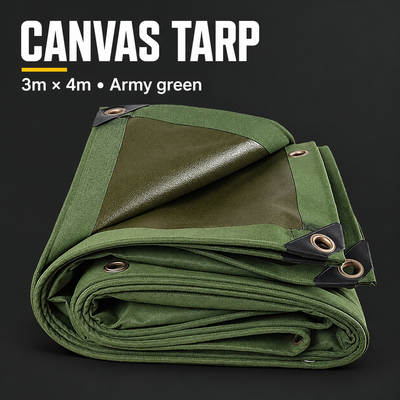
- Tarp or lightweight shelter sheet
- Paracord or rope
- Tent pegs or anchors
- Trekking poles or light poles
Keep It Going
- Emergency blanket
- Multi-tool or knife
- Headlamp
- Duct or repair tape
- Work gloves
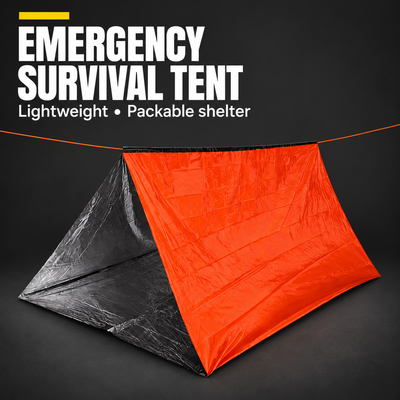
 Emergency Survival TentShop now →
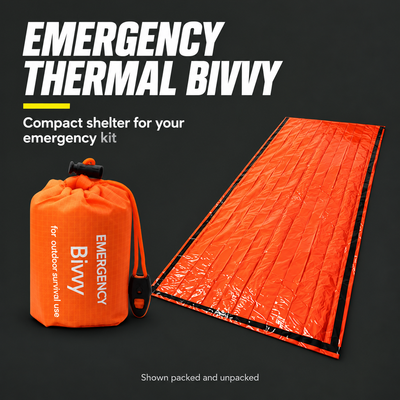
 Emergency Thermal BivvyShop now →
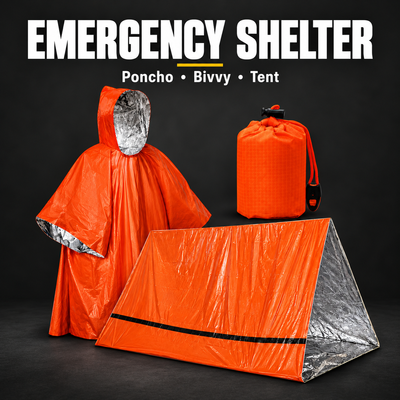
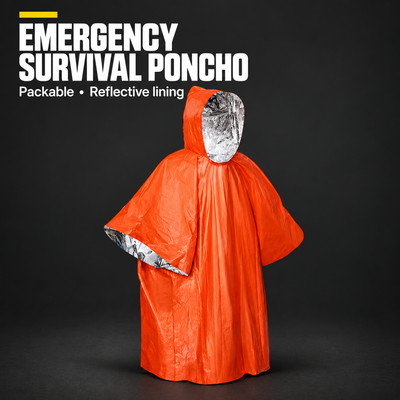
 Waterproof Rain PonchoShop now →
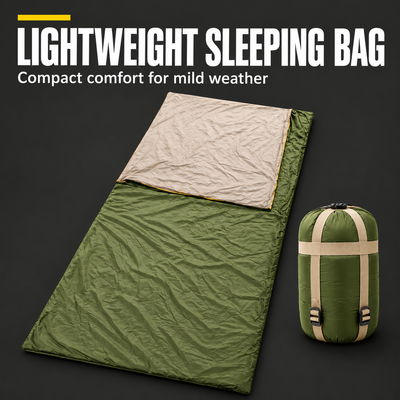
 Lightweight Sleeping BagShop now →
Site Selection & Safety
Where you set up matters as much as what you build.
Safety checks
- Choose raised ground that drains well
- Avoid unstable trees and rock
- Face openings downwind
- Keep exits clear
- Follow emergency service advice in severe weather
Stay put or move?
Stay put if you have safe cover, supplies and good conditions.
Move if the site becomes unsafe or authorities advise you to relocate.
Build Your Shelter Kit
Tarps, bivvies, ponchos and cord that pack small and set up fast.
More From the Survival Hub
This guide provides general preparedness advice. Always follow instructions from Australian emergency services during storms, cyclones, floods, bushfires or any other emergency. In a life-threatening emergency, call Triple Zero (000).