
Flood
Ready
Floods are among Australia's most common emergencies. Flash flooding can arrive with little warning, while river flooding can cut communities off for days or weeks. The small steps you take early make the biggest difference.
If it's flooded, forget it. Never drive, walk or ride through floodwater. For flood or storm help call the SES on 132 500. In a life-threatening emergency call Triple Zero (000).
Flood Prep in Minutes
A quick walkthrough of getting your home, gear and household ready before the water rises.
Warning Levels
Emergency services use the Australian Warning System for floods, storms and fires. Know what each level is asking you to do.
The Bureau of Meteorology also issues flood watches and warnings, classed as minor, moderate or major flooding.
Know Your Flood Risk
Your risk depends on where water goes when it rains hard. These are the things to look at first.
Use official sources only during a flood. ABC Radio is Australia's official emergency broadcaster, so keep a battery radio handy in case power and mobile networks drop out.
Prepare Your Property
Do this before the wet season. A few hours of work now can save thousands in damage later.
Protect the House
- Clear gutters, downpipes and drains
- Raise appliances, valuables and electronics off the floor
- Store chemicals and fuel up high to avoid contamination
- Secure outdoor items that could float away
Sandbag Early
Sandbags reduce water getting in at doorways and low points, but they won't stop it completely. Follow local SES advice on where to get them and how to place them.
- Know your nearest sandbag collection point
- Place them before water arrives, not during
Stock Up
- Battery radio & spare batteries
- Torch or headlamp
- First-aid kit & medications
- 3 days of food & water
- Waterproof pouch for documents
- Power banks & cables
Your Flood Plan
Leaving early is the safest option. Make your decisions now so you're not making them under stress with the water rising.
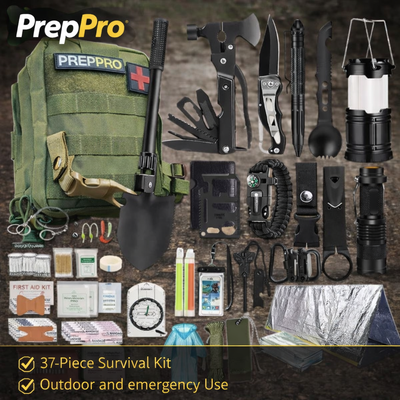
The PrepPro Flood Kit
A realistic, field-tested list. Pack it early and keep it somewhere you can grab it on the way out.
Grab & Go
- 3 days of food & water
- Headlamp & spare batteries
- Waterproof phone pouch
- Multi-tool
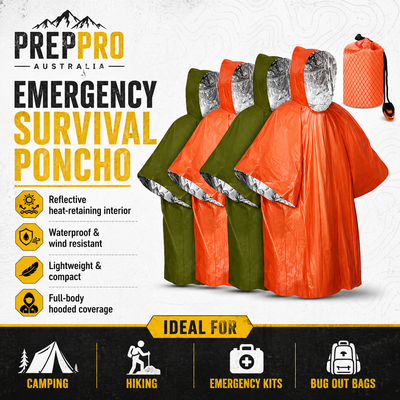
- Emergency blankets
- Waterproof document container
- P2 masks for mould & debris
- Power banks, cables & first-aid kit
Don't Forget Them
- Carrier, lead & ID
- Food, water & medications
- Towels
- Recent photo of each pet
Road Ready
- Keep the tank at least half full in severe weather
- Recovery gear & basic tools
- Snacks, water & paper maps
- Car charger for phones
When Flooding Is Imminent
Your safety comes first. Property can be replaced, people cannot.
Told to evacuate? Leave now.
Don't wait for water to reach the house, and never try to travel through floodwater.
Only if it's still safe
And only if you are not under an evacuation order:
- Move valuables and electronics above the expected water level
- Turn off gas, power and water at the mains if advised
- Place sandbags at doors and low points
- Bring pets inside and get them ready to travel
- Load your go-bag into the car early
Stay informed
Use official sources only. Social media falls behind fast-moving floods.
- Bureau of Meteorology warnings
- Your state emergency app or website
- ABC local radio
- SES on 132 500 for flood help
After the Flood
Only return when authorities say it's safe. Floodwater leaves hazards behind long after it drops.
Check Before You Enter
- Stay out of floodwater, which can carry sewage and debris
- Check for structural damage before going inside
- Have gas and electrics checked before use
- Photograph all damage for insurance
Protect Your Health
- Boil tap water until it's declared safe
- Throw out food and medicines that touched floodwater
- Ventilate and dry the house to reduce mould
- Wear gloves, boots and a P2 mask while cleaning
Get Your Kit Sorted Before the Wet
Don't wait for the first flood warning. Grab a ready-made emergency kit or build one around your household.
More From the Survival Hub
This guide provides general preparedness information based on publicly available guidance from Australian emergency services. It does not replace official instructions. During an active flood, always follow directions from the SES and your local emergency authority. In a life-threatening emergency, call Triple Zero (000).