
Pet
Ready
Putting your pets in your emergency plan makes it far more likely you'll all get out together, safely. Contain them early, pack their grab-and-go kit, and know where they can stay if an evacuation centre can't take them.
Many evacuation centres can't take pets. Arrange a safe place for your animals now, before you need it. Assistance animals are generally allowed.
Pet Prep in Minutes
A quick walkthrough of getting your animals ready for an emergency.
Include Pets in Your Plan
Your animals depend on you to make these decisions before the day, not on it.
The Pet Grab & Go Kit
Pack it, label it and keep it next to your own go-bag.
Keep Them Going
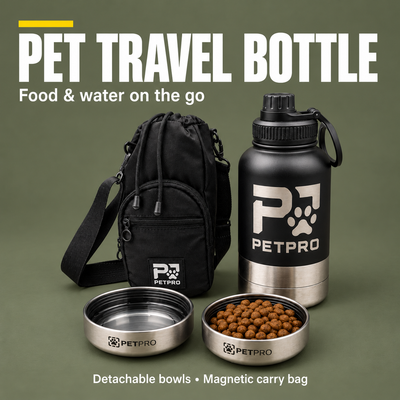
- Several days of food & water, bowls & an opener
- At least a week of medications with dosing instructions
- Rotate food so it stays in date
Keep Them Safe
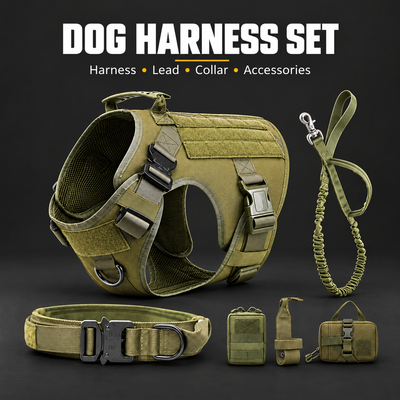
- Carrier or crate, lead & harness
- Muzzle, if your dog may need one at an evacuation point
- Vaccination records & vet contacts in a waterproof pouch
- A photo of you with your pet as proof of ownership
Keep Them Calm
- Litter & tray for cats, poo bags for dogs
- Wipes, paper towel & disinfectant
- Familiar bedding or a blanket
- A favourite toy & some treats
When You Need to Go
Late evacuations are dangerous for people and animals. Leave early on high-risk days.
Pets first, then go.
Secure your animals before anything else, then load the kit and leave.
If you must evacuate
- Get pets on leads or into carriers first
- Load their kit with your go-bag
- Confirm your route & where they'll stay
- Leave a note on the door saying your animals have been evacuated
If you must shelter at home
- Keep pets contained in a safe inside room
- Keep water, food & hygiene supplies with them
- On bushfire danger days, move animals before conditions get worse
- Check the Fire Danger Rating every day
Species Notes
Different animals need different plans.
Carrier Ready
- A sturdy carrier with a towel & litter
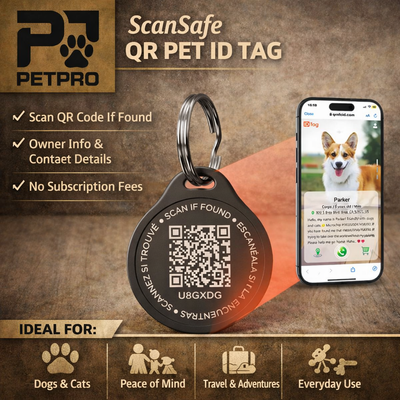
- Label the carrier with ID & your number
Lead & Harness
- A secure lead & harness
- A soft muzzle if the site requires it
- Waste bags & familiar bedding
A Separate Plan
- Relocate early if you can
- If not, move them to a large, fenced paddock with little fuel & plenty of water
Smoke, Heat & First Aid
Stress, smoke and heat hit animals hard. Watch them closely.
Keep Them Cool
- Give cool water & shade
- Limit exercise
- Watch for heavy panting & drooling
- See a vet if it's getting worse
Learn the Basics
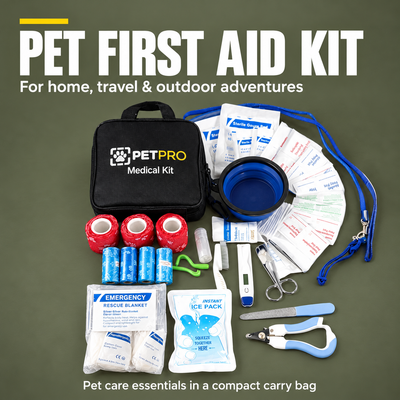
A little first aid knowledge goes a long way. The Australian Red Cross offers pet first aid guidance.
Red Cross pet first aid →Tools & Resources
Trusted Australian sources for pet emergency planning.
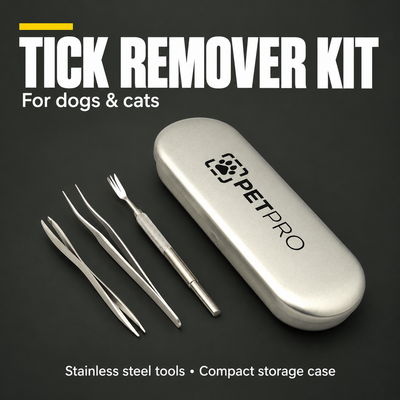
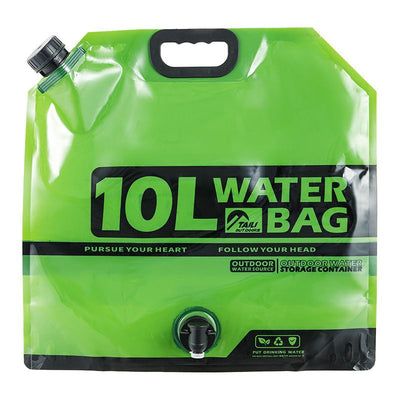
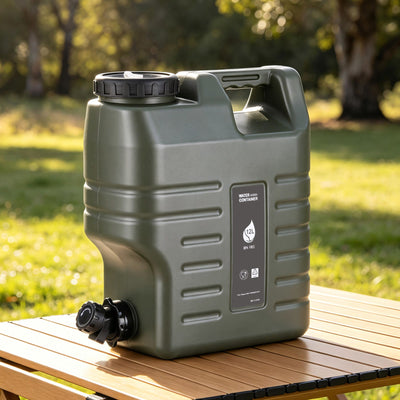
Kit Out Your Four-Legged Crew
Carriers, leads, bowls and more, ready to grab when it counts.
More From the Survival Hub
This guide provides general preparedness information. Always follow directions from your local emergency agencies and your veterinarian for animal health advice. In a life-threatening emergency, call Triple Zero (000).