
Empty Shelf
Ready
Australian supermarkets run on just-in-time delivery and hold only a few days of stock. When trucks, trains or ships stop, shelves empty fast, and panic buying finishes the job. A deep pantry means your family isn't in the queue.
Build your stores steadily, a little each shop. Buying slowly before a crisis is smart. Panic buying during one is what empties the shelves for everyone.
We've Already Seen It
Every one of these happened in Australia in the last few years.
Panic Buying
Toilet paper, pasta, rice, flour and paracetamol sold out across the country, and supermarkets brought in purchase limits.
Rail Line Washed Out
Floods in South Australia cut the Trans-Australian Railway, the only rail freight line into WA, for about three weeks. Perth shelves ran bare and limits came in.
Trucks Nearly Stopped
A global urea shortage threatened AdBlue, which most modern diesel trucks need to run. The federal government had to step in to secure supply.
Medicine Shortages
The TGA lists hundreds of medicines in short supply at any one time. Most of Australia's medicines are made overseas.
A Long Way From Everywhere
Distance and just-in-time logistics make Australia more vulnerable than most people realise.
Imported Fuel
Australia imports around 90% of its liquid fuel and has only two refineries left. Our fuel stocks sit well under the 90 days the International Energy Agency requires of its members. No fuel means no deliveries.
Few Links In
Most goods arrive by sea. WA and the NT depend on a handful of highways and one rail line, and a single flood can cut them.
Days, Not Weeks
Supermarkets restock almost daily from distribution centres. Any break in the chain shows up on the shelves within days.
Build Your Pantry in Three Tiers
Aim for 72 hours first, then two weeks, then three months. Buy what you already eat.
72 Hours
- 3 L of water per person, per day
- No-cook food: tins, muesli bars, survival biscuits
- Can opener, torch and radio
- Pet food and baby supplies
2 Weeks
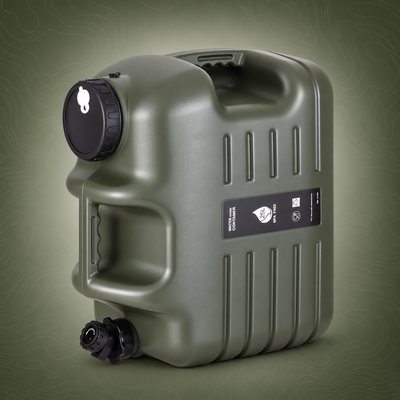
- About 45 L of water per person, plus a filter
- Tins, pasta, rice, oats and long-life milk
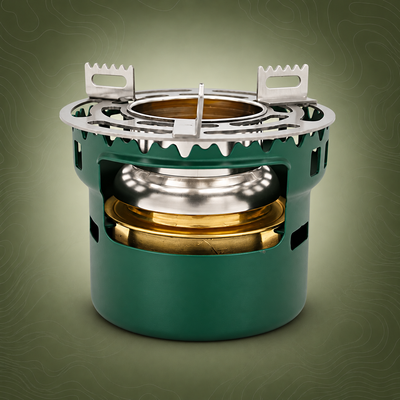
- Camp stove and spare fuel
- A month of prescription medicines
- Toilet paper, soap and cleaning supplies
3 Months+
- Bulk rice, beans, lentils and oats in sealed containers
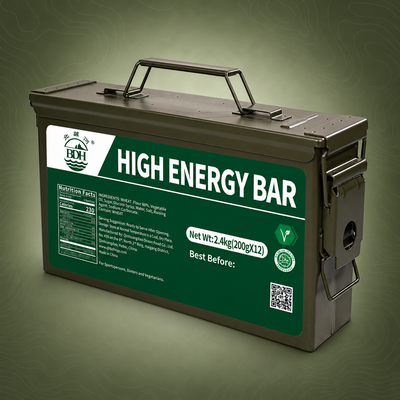
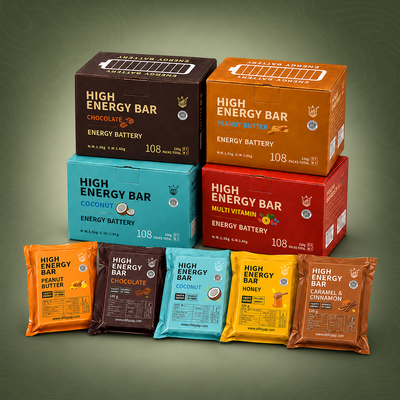
- 30-day survival ration packs per person
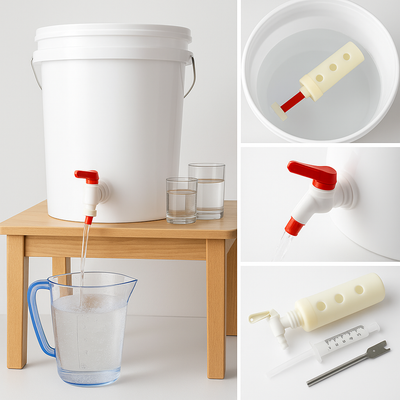
- Rainwater tank or large storage with a gravity filter
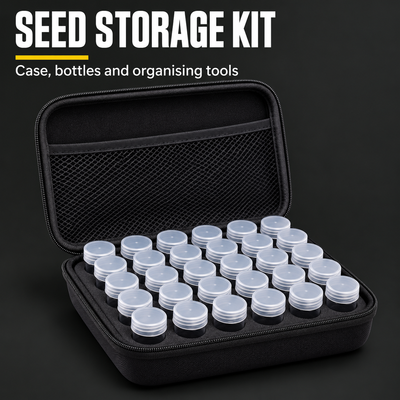
- Seeds and a veggie patch to top up fresh food
- Spare batteries, gas, matches and hygiene supplies
Stock Up the Smart Way
You don't need to spend a fortune in one go. Build it over a few months.
First In, First Out
- Buy what you eat, and eat what you buy
- New stock goes to the back, old stock comes forward
- Label everything with the purchase date
Keep It Good
- Cool, dark and dry
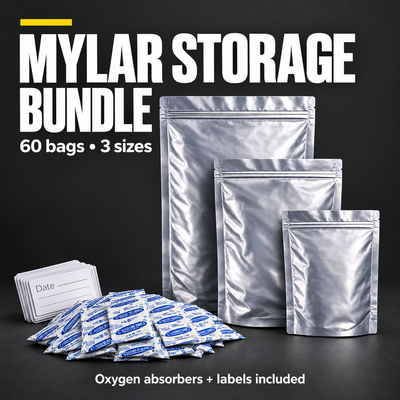
- Sealed containers keep out pests and moisture
- Keep water away from sunlight and chemicals
The Easy Misses
- Pet food and baby formula
- Medicines, vitamins and first aid
- Cooking fuel, batteries and toilet paper
How Much Is Enough?
Break it down and it is easier than it sounds.
30 days = 90 meals per person
For a family of four, that is 360 meals and around 360 L of drinking water.
Food
- Aim for about 2,000 calories per adult per day
- Survival ration biscuits pack a day of energy into a small space and last for years
- Mix in foods your family already enjoys
Water
- Water runs out before food does
- 3 L per person per day for 30 days is 90 L each
- Store what you can and have a filter for the rest
Stock Your Pantry Before Everyone Else Does
Long-life food, water storage and filtration so your family can sit out the shortage at home.
More From the Survival Hub
This guide provides general preparedness information only and is not medical, legal or financial advice. Always follow directions from authorities and emergency services. Store fuel in approved containers and within your state's limits. In a life-threatening emergency, call Triple Zero (000).