
Grid Down
Ready
A normal blackout lasts hours. A grid-down event could last weeks. A severe solar storm, a cyber attack on the network or a cascading failure could take out power across whole regions, and everything that runs on it goes down with it.
Never run a generator, BBQ, camp stove or fuel heater indoors. Carbon monoxide has no smell and can kill. In a life-threatening emergency call Triple Zero (000).
What Could Take the Grid Down
These aren't movie plots. Every one of them has happened somewhere, and the grid is more connected, and more exposed, than ever.
Solar Flares
In 1859 the Carrington Event, the biggest solar storm on record, set telegraph offices alight. In 1989 a much smaller storm blacked out Quebec's grid for 9 hours. A Carrington-level storm today could damage large transformers that take months to replace.
Hacked Networks
In 2015 and 2016 cyber attacks switched off power to hundreds of thousands of people in Ukraine. Australia's energy networks are classed as critical infrastructure because they're a target.
State-Wide Blackout
In September 2016 storms toppled transmission towers and the whole of South Australia went black, about 1.7 million people. Extreme heat, storms and a stretched grid can all set off a chain reaction.
Electromagnetic Pulse
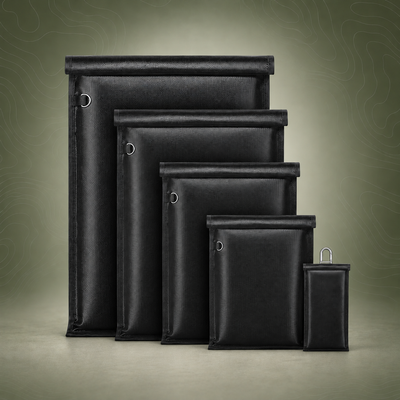
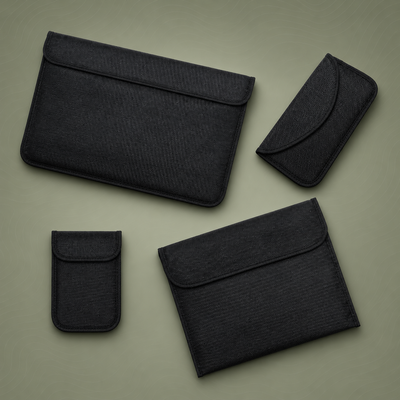
A nuclear detonation high in the atmosphere creates a pulse that can fry electronics over a huge area. Unlikely, but it's why serious preppers keep spare electronics sealed in a Faraday bag.
What Stops When the Power Does
The lights are the least of it. Plan for everything that quietly depends on electricity.
Cash Only
- Fuel bowsers stop pumping
- EFTPOS, ATMs and bank apps go down
- Shops that can open take cash only
Phones Go Quiet
- Mobile towers run on backup batteries for only a few hours
- NBN needs power at your house and down the line
- Radio becomes your only news source
Water, Food & Health
- Many towns rely on electric pumps for water and sewerage
- Fridges and freezers fail within hours
- Medicines that need refrigeration are at risk
Build It in Three Tiers
Start with 72 hours, then build out. Each tier sits on top of the last, so you're never starting from scratch.
72 Hours
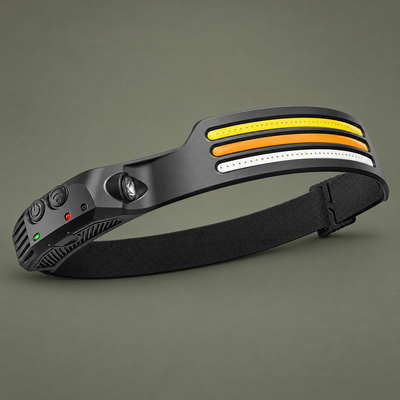
- Torch or headlamp per person, plus spare batteries
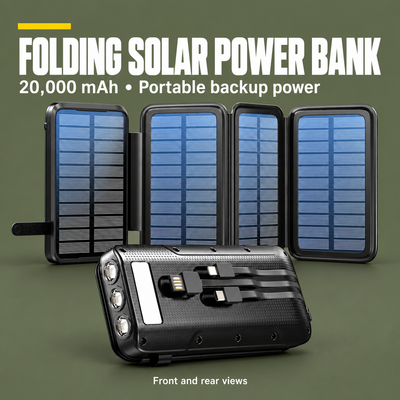
- Charged power banks for every phone
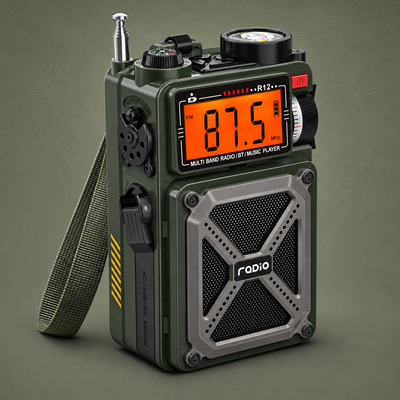
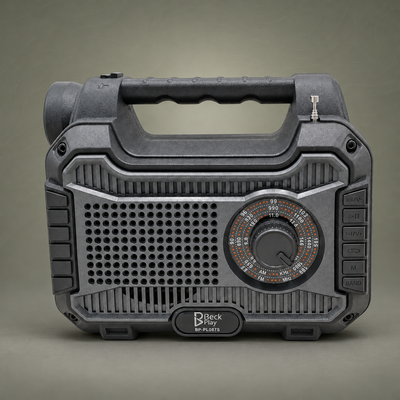
- Battery or hand-crank radio
- 3 L of water per person, per day
- No-cook food for 3 days
- Cash in small notes
2 Weeks
- Portable power station and a folding solar panel
- About 45 L of water per person, plus a filter and tablets
- Camp stove with fuel stored safely outside
- 2 weeks of long-life food
- First-aid kit and a month of prescription medicines
3 Months+
- Solar setup big enough for lights, comms and a fridge
- Rainwater tank or large storage with a gravity filter
- Deep pantry of rice, oats, beans, tins and survival rations
- Spare radio, torch and power bank sealed in a Faraday bag
- UHF CB radios to stay in touch with family and neighbours
Water maths: 3 L per person per day is for drinking only. Allow more for cooking and washing.
Protect Your Electronics
If the grid takes a hit, the gear you're relying on can take one too.
Two is one. One is none.
Keep a backup set of critical electronics unplugged and sealed away.
Faraday Protection
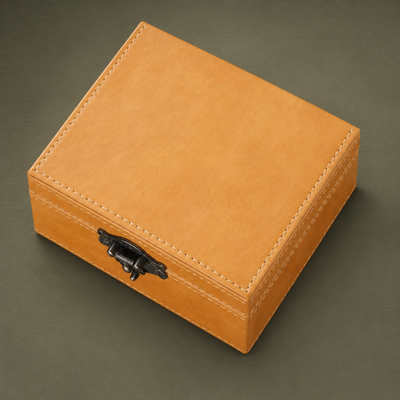
- A Faraday bag or sealed metal container blocks electromagnetic energy
- Store a spare radio, torch, power bank and a USB of key documents inside
- Test it: a phone sealed inside shouldn't ring
Surge & Space Weather
- Fit surge protection to sensitive gear
- Unplug electronics when power flickers or a severe space weather warning is issued
- Keep solar gear and batteries charged and rotated
Where to Get Warnings
Bookmark these now, and write down the ones that matter in case your phone is flat.
Power Through When the Grid Fails
Off-grid power, radios and Faraday protection keep you running, informed and in touch for as long as it takes.
More From the Survival Hub
This guide provides general preparedness information only and is not medical, legal or financial advice. Always follow directions from authorities and emergency services. Store fuel in approved containers and within your state's limits. In a life-threatening emergency, call Triple Zero (000).